

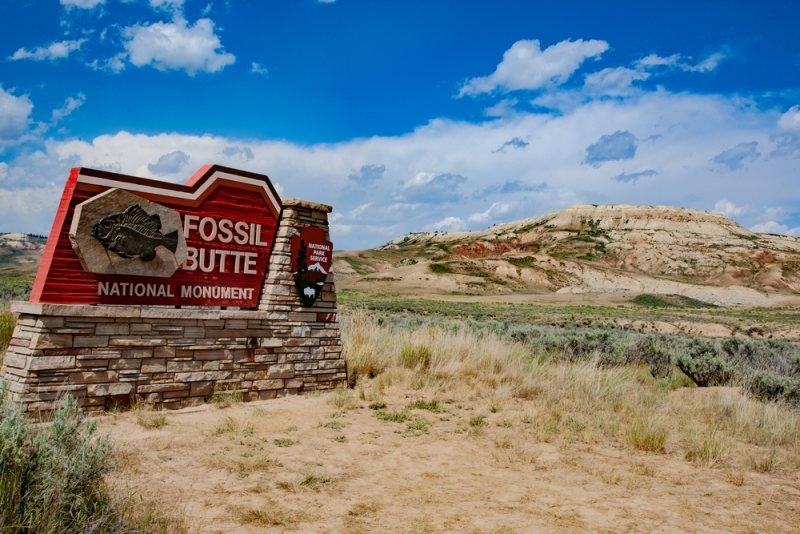
Most people drive straight through Wyoming without looking out the window. They completely miss the ancient lakebed sitting right off the highway. Fossil Butte National Monument completely shatters the boring desert landscape stereotype. Millions of years ago, a massive tropical lake covered this exact spot. Today, it holds the absolute highest concentration of perfectly preserved aquatic fossils in North America. You do not need a geology degree to appreciate it. You literally walk up to the rock walls and see ancient dead fish locked directly in the stone. Stop driving past the brown signs. Pull over, grab a heavy water bottle, and walk straight into a fifty-million-year-old graveyard.
Top Pick: Why is Comparing Yellowstone vs. Grand Teton Essential?
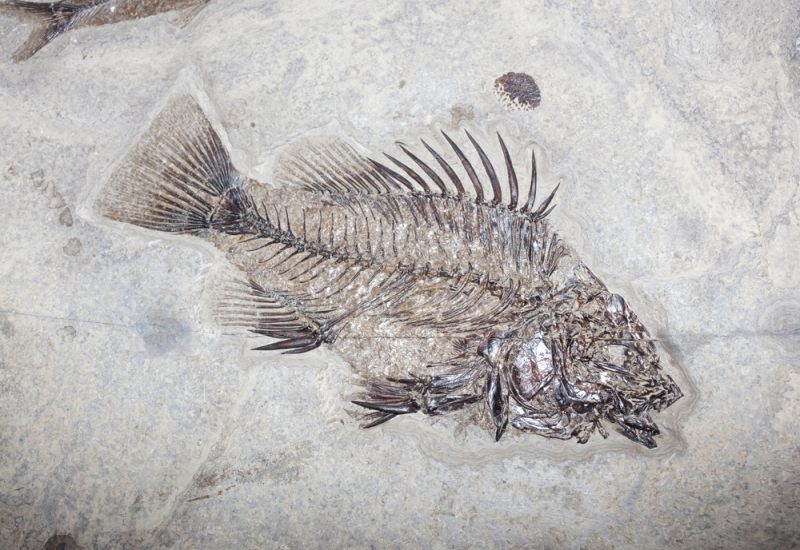
Visitors stop here strictly for the unmatched fossil quality. The ancient lake possessed a highly toxic bottom layer that completely prevented scavengers from destroying dead animals. When fish died, they sank into this dead zone and fossilised perfectly. You see individual tiny bones and entire scales locked permanently in stone.
The harsh high-desert terrain completely tricks the modern eye. Standing in the blistering sagebrush, tourists struggle to imagine the massive, humid tropical forest that originally covered this exact dirt. The monument forces a massive perspective shift. You walk across a dry, cracking desert floor that once held a deep lake.
Must Read: What is the Best Whitewater Rafting in Wyoming? Full Guide
Navigating this remote Wyoming landscape requires actual planning. Arriving totally unprepared guarantees a miserable, blistering-hot afternoon.
Do not walk onto the dirt trails blindly. The central building houses over eighty massive, perfectly prepped fossil displays that completely reset your understanding of the local geography.
The monument sits at almost seven thousand feet of elevation. The thin air and brutal sun completely drain your bodily fluids fast. Carry a massive water jug everywhere.
Winter completely shuts down the scenic drive. Heavy snow packs the high elevation roads tightly, forcing rangers to lock the metal gates from November until late May.
Cell service completely dies the second you turn off the main highway. Download your offline maps and tell someone exactly where you parked before starting a hike.
The rock layers do not just hold common fish. The Green River Formation hides an insane biological diversity trapped directly inside the flat limestone slabs.
Scientists constantly pull intact turtles, giant crocodiles, and massive ancient stingrays straight out of the ancient dirt.
You stare at ancient palm fronds and heavy broad leaves frozen exactly where they fell fifty million years ago.
You cannot randomly dig for souvenirs. Federal law strictly prohibits ripping ancient bones out of the monument boundaries, keeping the fossils protected in the public trust.
Do not just stare at the indoor displays and leave immediately. You must physically explore the harsh terrain to understand the massive scale of this ancient lakebed.
A paved seven-mile road cuts directly through the harsh sagebrush. It forces you up massive elevation grades to overlook the entire ancient lake basin perfectly.
Rangers actually let you touch the raw stone during the summer months. You sit in the dirt and watch professionals rip open flat limestone sheets to expose hidden fish.
Modern animals completely dominate the fossil beds today. Massive elk herds, pronghorn antelope, and golden eagles constantly hunt directly across the ancient rock formations.
The jagged buttes look completely flat in the brutal midday sun. Hit the park exactly at dawn to watch the sharp red and orange shadows cut deeply across the massive rock faces.
Walking the harsh desert paths demands heavy boots and total sun protection. Standard sneakers get shredded instantly on the loose limestone rock.
This brutal, steep path climbs right up the face of the butte. It takes you directly to the exact spot where early bone hunters ripped massive fossils out of the cliff.
A fast and flat walk surrounded by heavy sagebrush and high desert plants. It provides a massive visual contrast to the ancient aquatic life buried right underneath your boots.
The trails offer zero physical shade. You must start your hikes exactly at sunrise to avoid dangerous heat exhaustion on the completely exposed rock walls.
Bypassing this harsh desert monument means missing a fifty-million-year-old biological vault. You cannot find this level of perfect prehistoric preservation anywhere else in the country. Stop treating Wyoming as just a long drive to Yellowstone. Pull off the highway, endure the heavy desert heat, and walk directly into an ancient tropical lakebed. Exploring the Fossil Butte National Monument forces you to respect the massive, violent geological shifts that built the modern American West. Pack your heavy boots, hit the visitor centre, and go stare directly at the ancient dead today.
Beyond the standard exhibits, you can actually participate in a massive Junior Ranger programme or sit in on specialised ranger-led palaeontology talks. They run interactive sessions specifically demonstrating how prep-lab technicians use micro-sandblasters to clean the raw fossils.
You need a private vehicle. No public transportation runs to this remote section of the state. You simply drive directly up US Highway 30, bypass the small local towns, and turn straight onto the monument's dedicated entry road. Entrance fees are entirely free year-round.
Hit the park firmly between June and August. While the summer sun is completely brutal, it guarantees the scenic drive and high-elevation trails remain totally free of dangerous ice. Winter trips limit you strictly to the indoor exhibits.
The park sits exactly fifteen miles west of Kemmerer, Wyoming. If you are driving the massive cross-country Interstate 80, you must take the heavy detour north on Highway 189 for about an hour to reach the completely isolated entrance.
Allocate exactly three hours. That specific time block allows you to slowly read the indoor museum plaques, watch the orientation film, and crush one massive outdoor hike before the desert heat physically forces you back into your air-conditioned car.
This content was created by AI