

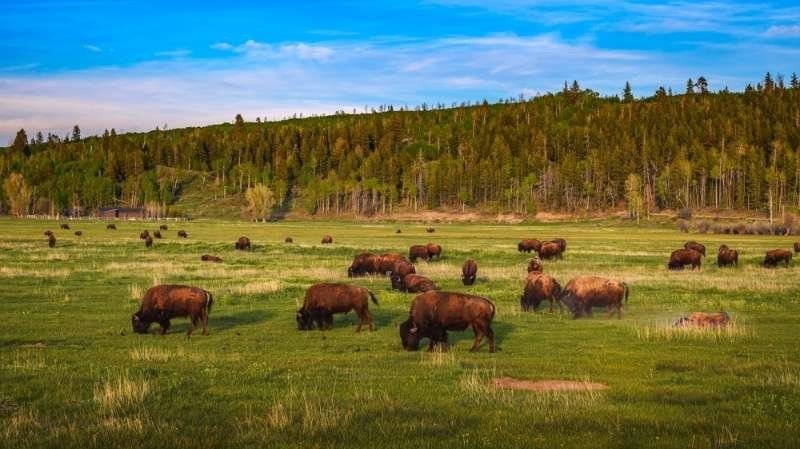
Wyoming national parks are packed with America’s most stunning vistas. A combined total of 8 million people visit Yellowstone and Grand Teton annually, making Wyoming among the top outdoor destinations in the country. Whether it’s your first time or your fifth time at one of these parks, it feels brand new every single time.
Here we’ll cover where to go, the best time to visit, tips for getting around, the Grand Teton itinerary, Wyoming outdoor adventures, the best Wyoming nature attractions, and how to structure the ultimate Wyoming road trip.
Few states boast the natural diversity that Wyoming offers. From steaming hot springs and glacial lakes to sharp peaks and herds of grazing wildlife, each park has its own signature features. One day you’re watching bison traverse broad valleys; the next you’re hiking in the shade of mountains or photographing a mirrored lake at sunrise.
These incredible experiences are what make Wyoming a premier outdoor destination in America.
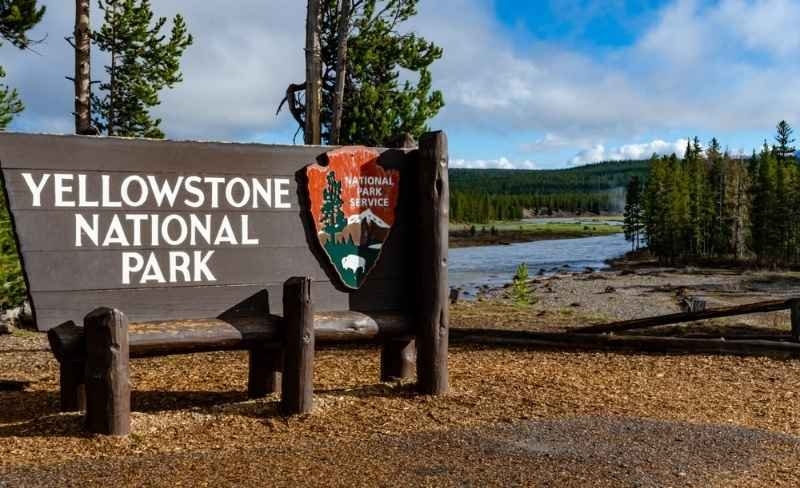
Yellowstone isn’t the most famous attraction in Wyoming, but it’s the world’s first national park and a remarkable place. This 2.2-million-acre preserve boasts more than 10,000 geysers, hot springs, and mudpots across 500 square miles. Old Faithful continues to awe visitors, but don't forget the colorful Grand Prismatic Spring, wild Lamar Valley, and Yellowstone National Lake
Wildlife viewing is another highlight; you can spot bison, elk, wolves, bears, and even bald eagles throughout the park, especially in the less-trafficked morning and evening hours. This park warrants a full 2-3 days.
Just south of Yellowstone, Grand Teton National Park serves up a different kind of beauty.
Instead of the steaming surface of the Earth, you’ll be greeted by soaring peaks, serene lakes, and what some consider the most picturesque hike in the West.
The rugged Teton Range abruptly rises from the valley, creating one of the most photographed and recognizable mountain vistas in the United States.
Explore pristine waters in lakes like Jenny and Jackson Lake; enjoy the Snake River from its banks; and take advantage of incredible kayaking, wildlife viewing, fishing, and photography opportunities.
Most Grand Teton travelers focus on driving the Teton Park Road and hiking around Jenny Lake, often with a morning photo stop at Mormon Row and an evening viewing at Oxbow Bend. Travelers say Grand Teton is slightly more peaceful and laid-back than its northern neighbor, making the two parks ideal complements to one another.
Try This: Wildlife Safety in Wyoming: Tips for Hikers & Drivers
Many people breeze past this park, connecting Yellowstone to Grand Teton. What they miss are the beautiful forest landscapes, bubbling river, and abundant wildlife opportunities offered along the parkway.
While this is largely a scenic drive, you can find some pleasant spots for picnicking, short walks, and even fishing along the Snake River. This stretch offers good opportunities for spotting moose, elk, and bald eagles, especially during spring and fall. Adding this 28-mile-long scenic route to your itinerary easily bridges two magnificent park destinations into a smooth, scenic road trip.
Every season has something new to offer, but summer remains the peak season in the parks.
Most roads will be open, and all visitor services will be operating seven days a week. Almost all the hiking trails are open during this time. The spring and fall months in Wyoming can still be spectacular in their own right, offering more solitude and opportunities for spotting wildlife. The weather is cooler for hiking, and the colorful autumn foliage and fresh green shoots of spring add beauty to both Yellowstone and Grand Teton.
In the winter, Yellowstone Park is a true winter wonderland, accessible primarily by snowcoach and cross-country skiing.
For a single-day trip, start at Mormon Row for the best views at sunrise of the Tetons. Head next to Jenny Lake to take the shuttle boat across the water and embark on the trail for Hidden Falls and Inspiration Point. The afternoon could be spent touring Teton Park Road, stopping at iconic photo spots like Snake River Overlook and Oxbow Bend, and finishing the day with sunset views at Jackson Lake.
A multi-day stay could include adding Taggart Lake, Schwabacher Landing, and a wildlife safari tour.
Planning is a big part of your Wyoming National Park experience.
The distances between points can be longer than you expect, so be sure to allow extra driving time for your adventures.
Always practice proper wildlife etiquette when visiting any Wyoming national park.
Wyoming national parks are the stuff of legend for anyone seeking an authentic North American travel experience.
Whether you want to see the wonders of the world at Yellowstone or be taken in by the mountain majesty at Grand Teton, any Wyoming road trip is bound to be an adventure that stays with you long after you’ve left the Cowboy State. For every kind of travel service, including flights, accommodation, and more, check out the checkout platform, leisure.com.
Don’t forget to take a peek at our collection of 5-day travel itineraries, city guides, and other tips on destinations like ours when you plan your next great escape!
Generally, most travelers dedicate at least four to six days to an adequate experience of both Yellowstone and Grand Teton National Parks combined, allowing sufficient time for exploration and relaxation. However, individuals interested in in-depth wildlife photography or backcountry hiking could easily spend a full week.
Yes, it is not only possible but also common, thanks to the adjacent John D. Rockefeller Jr. Memorial Parkway. The drive between the two parks is very short, usually under an hour, making it feasible to cover both destinations in one vacation.
Be sure to pack essentials like comfortable walking or hiking shoes; clothing suitable for layered dressing, as Wyoming weather can change rapidly (a light rain jacket is recommended); a reusable water bottle; sunscreen; insect repellent; and binoculars for wildlife viewing. It’s also wise to bring snacks, a trail map, and a portable charger for electronic devices.
This content was created by AI