

Few outdoor adventures match the pure joy of slicing your paddle through crystal-clear mountain water while surrounded by towering granite peaks. Exploring kayaking in Wyoming offers paddlers an unforgettable journey through pristine alpine lakes, deep desert canyons, and rushing mountain streams. According to outdoor recreation economic reports from the Wyoming Office of Tourism, water-based recreation contributes over $1.5 billion to the state economy annually, highlighting Wyoming's status as a premier paddler paradise.
Whether you want a tranquil morning gliding across glass-like lakes or an exhilarating white-water challenge down roaring river rapids, Wyoming delivers endless choices.
From iconic national parks to hidden high-desert reservoirs, every waterway boasts dramatic scenery and rich wildlife encounters. In this comprehensive paddling guide inspired by Paddle Your State, we will explore top alpine lakes, detail exciting whitewater rivers, outline beginner safety tips, highlight national park rules, and answer your top Wyoming paddling questions.
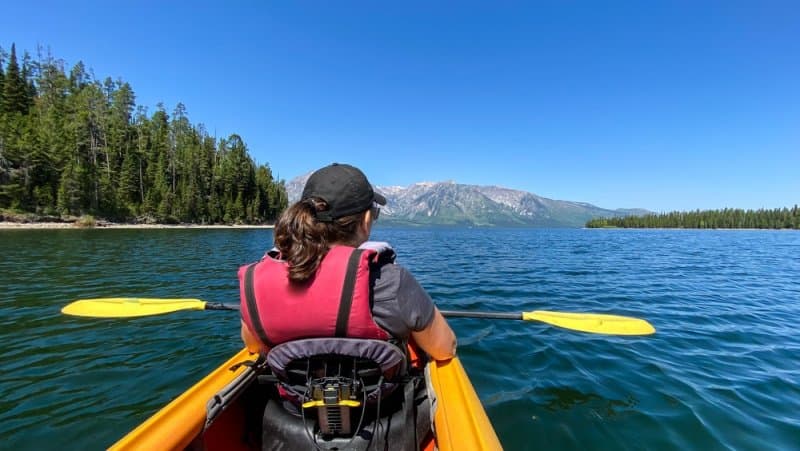
Discovering the best places to kayak in Wyoming begins with exploring the state's magnificent alpine reservoirs and natural lakes:
Jackson Lake offers over 25,000 acres of open water directly beneath the majestic Teton Range. Paddlers enjoy panoramic mountain reflections, secluded islands, and wildlife sightings, including bald eagles and moose along shorelines. Jenny Lake provides smaller, crystal-clear waters perfect for early morning paddling before ferry boats launch.
Located along the southern border, Flaming Gorge stretches across 91 miles of colorful red rock canyons. The calm, warm waters make it one of the premier scenic kayaking spots in Wyoming for summer road trips.
Nestled near Pinedale at the base of the Wind River Range, Fremont Lake is Wyoming's second-largest natural lake. Its clear, glacial waters reach depths over 600 feet, making it an ideal destination for sea kayaking and overnight paddle camping.
Try This: 9 thrilling summer experiences in Grand Teton National Park
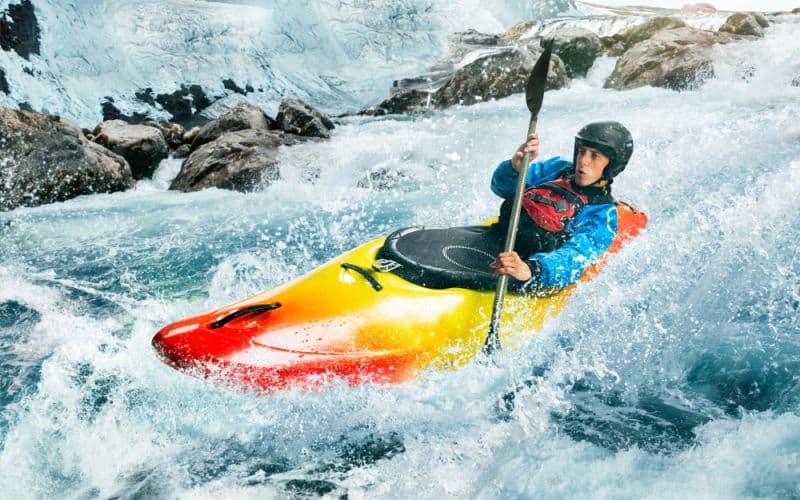
For paddlers craving adrenaline, searching for the best whitewater kayaking spots in Wyoming leads directly to famous river canyons:
These legendary stretches represent the very best Wyoming kayaking spots for experienced whitewater enthusiasts.
Experiencing kayaking in Grand Teton National Park and kayaking in Yellowstone National Park lets paddlers immerse themselves in world-renowned national sanctuaries:
Grand Teton allows non-motorized paddling on Jackson Lake, Jenny Lake, String Lake, and Leigh Lake with a valid park boat permit. Yellowstone permits paddling on Yellowstone Lake and Lewis Lake, offering wilderness shoreline camping options for backcountry paddlers.
Must Try: Grand Prismatic Spring Beauty in Yellowstone, Wyoming
Finding the best places for beginner kayaking in Wyoming ensures a safe, relaxing day on the water for paddlers of all skill levels:
Knowing where to go kayaking in Wyoming allows families to select calm waters tailored to their comfort level.
Planning a Jackson Hole kayaking trip provides easy access to top rental shops, guided river tours, and shuttle services. Local outfitters offer guided scenic float trips along the gentle stretches of the Snake River, as well as full-day whitewater clinics for aspiring paddlers looking to improve their technical skills.
Selecting the best lakes and rivers for kayaking in Wyoming guarantees an unforgettable vacation surrounded by pristine wilderness.
Exploring the wonders of kayaking in Wyoming delivers unmatched natural beauty, exciting water conditions, and pristine wilderness solitude. Throughout this travel guide, we explored premier lake destinations, thrilling whitewater river stretches, family-friendly beginner spots, and essential national park regulations. Whether you glide across the mirror surfaces of Jackson Lake beneath the Tetons or paddle the scenic canyons of Flaming Gorge, Wyoming provides world-class water adventures for every paddler.
Taking time to inspect your gear, respect local wildlife, and plan your paddling routes guarantees a safe and memorable journey. Flying into regional transport hubs brings you right to the doorstep of America's grandest mountain waters.
Are you ready to plan your ultimate Wyoming paddling getaway and touch the wild beauty of western waters? Explore expert travel guides, airport connections, and local adventure resources today to start your journey!
Yes, non-motorized watercraft, including kayaks, require an Aquatic Invasive Species (AIS) decal before launching on Wyoming waters. If you bring a kayak from out of state, you must also pass a physical AIS boat inspection at designated check stations before entering any lake or river.
The best time for kayaking in Wyoming is from late May through September. High alpine lakes usually thaw completely by late May, while whitewater rivers peak during spring snowmelt in June, July, and August offer warm, sunny weather ideal for flatwater lake paddling across the state.
Yes, Wyoming law mandates that every kayak must carry a U.S. Coast Guard-approved personal flotation device (PFD) for each person on board. Children under 13 years of age must wear a properly fitted life jacket at all times while the kayak is underway on public waters.
Yes, numerous local outfitters in Jackson, Dubois, Cody, and Gardiner rent kayaks, paddles, and life jackets. Many rental shops also provide roof racks or inflatable kayaks, making transport into Grand Teton and Yellowstone National Parks convenient for traveling visitors without personal equipment.
Paddlers frequently spot moose wading along shallow lake shores, bald eagles nesting in river trees, osprey diving for fish, and river otters playing near banks. Always maintain a safe distance of at least 100 yards from bears and wolves and 25 yards from all other wildlife.
This content was created by AI