

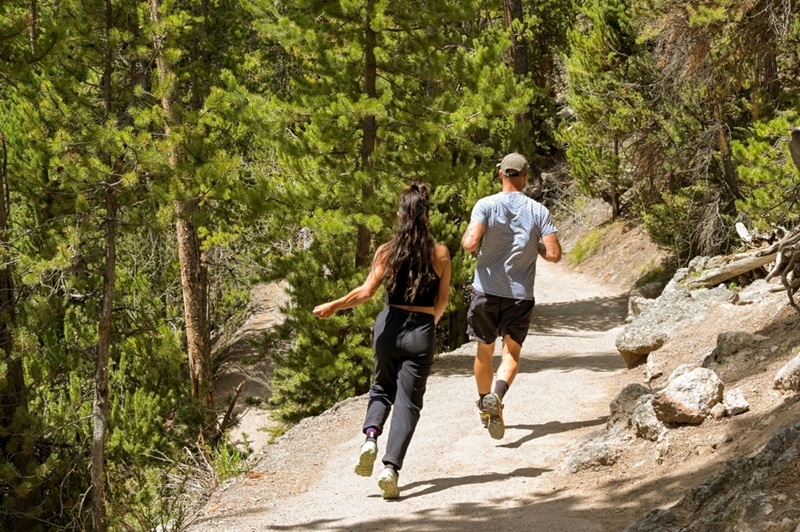
Wyoming does not ease a person into the outdoors. It goes straight for the big stuff. Wide valleys, sharp peaks, cold alpine lakes, geyser basins, open meadows, and trails where the sky feels almost too large. Some hikes are friendly enough for first-timers. Others ask for strong legs, good planning, and a healthy respect for weather and wildlife.
That is what makes hiking in Wyoming so interesting. A traveler can take a calm lake walk in the morning, then plan a serious mountain route for another day. The state has national parks, national forests, wilderness areas, and quiet trails that do not always get the same attention as the famous ones.
For beginners, Wyoming offers short scenic routes with big rewards. For experienced hikers, it opens the door to remote country, longer climbs, and backcountry routes that feel properly wild.
The best part of hiking in Wyoming is the variety. The state is not just one kind of landscape. Grand Teton has jagged mountain drama. Yellowstone has waterfalls, geysers, forests, and wildlife. Medicine Bow has high alpine lakes and rugged ridges. The Wind River Range feels made for people who want serious distance and solitude.
This is why many travelers search for the best hiking trails in wyoming before planning a trip. Trail choice matters here. Elevation, weather, snow, wildlife activity, and distance can change the whole experience.
A short trail can still feel tiring if it sits at higher elevation. A sunny morning can turn into a stormy afternoon. And yes, bear country deserves attention. Hikers should carry bear spray where recommended, make noise, store food properly, and check current trail conditions before starting.
Taggart Lake is one of the most approachable hikes in Grand Teton National Park. It is scenic without being too demanding, which makes it a strong choice for families, first-time visitors, and people who want mountain views without a long climb.
The National Park Service lists Taggart Lake as an easy 3-mile round trip hike with about 360 feet of elevation gain. The trail begins at Taggart Lake Trailhead and offers views of the Teton Range, which is exactly the kind of scenery people hope for in Wyoming.
For anyone looking for hikes for beginner in wyoming, this is a good place to start. The route feels rewarding quickly, and the lake setting gives hikers a beautiful place to pause before heading back.
It can still get busy, so early morning is better if someone wants a quieter experience.
Jenny Lake is popular for a reason. The water, the peaks, the boat shuttle, the forested sections, and the climb toward Inspiration Point all make it one of the best hikes near grand teton national park for visitors who want classic scenery.
Hikers can shorten the route by taking the Jenny Lake boat shuttle, or they can walk around part of the lake for a longer outing. Hidden Falls is the easier reward, while Inspiration Point adds more climbing and wider views.
This trail works well for hikers who want something more active than a flat walk but not a full backcountry day. It is also a good reminder that “popular” does not always mean overrated.
Mystic Falls is a strong option for hiking near yellowstone national park attractions because it sits in the Old Faithful area and offers more than just boardwalk sightseeing. The trail follows a creek through mixed conifer forest to Mystic Falls, where the Little Firehole River drops about 70 feet from the Madison Plateau, according to the National Park Service.
This hike feels like a nice middle ground. It is not too long for most active visitors, but it still gives a sense of leaving the busiest boardwalk zones behind.
That said, Yellowstone trail conditions can change. Wildlife closures, bear activity, thermal hazards, and seasonal weather can affect plans. Hikers should check current park alerts before heading out.
On a Related Note: Unique Things to Do in Wyoming: 4 Epic Adventures
Fairy Falls is one of the most memorable waterfall hikes in Yellowstone. It is often described as a fairly approachable route, with a big payoff at the end. The waterfall itself is tall and dramatic, and the surrounding area has that mix of forest, thermal-country atmosphere, and open walking that feels very Yellowstone.
This is another good choice for travelers wanting hiking near yellowstone national park landmarks without choosing a highly technical route. Some hikers also combine it with nearby Grand Prismatic views, depending on the route and conditions.
Good shoes still matter. Yellowstone trails can include wet sections, uneven ground, and sun exposure. Casual does not mean careless.
Medicine Bow Peak is for hikers who want more effort and bigger views. Located in the Snowy Range area of Medicine Bow National Forest, it gives a different Wyoming experience from Yellowstone and Grand Teton.
The area includes alpine lakes, rocky terrain, open ridgelines, and weather that can change fast. This is where planning becomes more important. Hikers should start early, carry layers, bring enough water, and avoid exposed high ground if storms are building.
For those comparing the best hiking trails in wyoming, Medicine Bow deserves a place on the list because it feels wild without always having the same crowds as the national parks.
Cascade Canyon is one of the great Teton hikes for people ready to go beyond short scenic stops. The canyon feels huge, with high rock walls, forested sections, mountain views, and a real sense of entering the range.
Many hikers begin from Jenny Lake, which means the outing can be adjusted depending on whether they use the boat shuttle. The route can be moderate or long depending on how far someone continues into the canyon.
It is one of the best hikes near grand teton national park for hikers who want a deeper Teton experience without committing to a multi-day trip. Wildlife sightings are possible, so distance, awareness, and bear safety matter.
For experienced hikers, backcountry hiking in wyoming often leads to the Cloud Peak Wilderness or the Wind River Range. These are not casual strolls. They involve route planning, navigation, changing weather, camping gear, water treatment, and fitness.
Cloud Peak Wilderness, in the Bighorn Mountains, offers alpine lakes, granite basins, and long routes that suit backpackers who want space and challenge. It is a different kind of reward. Fewer easy comforts, more responsibility.
Anyone trying backcountry hiking in wyoming should prepare properly. That means maps, permits where required, emergency gear, food storage, weather checks, and realistic mileage. The backcountry is beautiful, but it does not care about overconfidence.
Choosing the right hike depends on fitness level, time, weather, and comfort with elevation. A beginner should not feel pressured to choose the hardest route. Wyoming gives plenty of beauty on easier trails.
For hikes for beginner in wyoming, trails like Taggart Lake or shorter Yellowstone waterfall routes can feel satisfying without becoming overwhelming. For stronger hikers, Cascade Canyon or Medicine Bow Peak can add challenge. For advanced backpackers, wilderness routes open a much bigger world.
A simple trail plan should include:
Good planning does not ruin adventure. It makes the adventure safer.
Know More: Wyoming Parks And Nature Attractions Worth Seeing
Wyoming weather can shift quickly, especially in the mountains. Even a sunny morning can turn windy or cold later. Hikers should bring more than they think they need, especially outside short roadside walks.
A basic day pack should include water, snacks, a map, sun protection, rain layer, warm layer, first aid basics, headlamp, and bear spray where advised. Sturdy shoes help too, since rocky trails and loose dirt can surprise people.
The goal is simple. Be comfortable enough to enjoy the trail and prepared enough to handle a change of plans.
Summer and early fall are usually the easiest seasons for most hikers because many higher trails are clearer of snow. July through September is often popular in mountain areas, although weather can still change quickly. Spring can bring mud and lingering snow, while late fall may bring cold conditions. Lower trails may open earlier, but high alpine routes need more caution.
If you choose the right trail, check conditions, tell someone your plan, pack the right gear and don’t overdo it, it’s safe to hike alone. Bear country is an added responsibility, especially in Yellowstone, Grand Teton & remote forest areas. If you are hiking alone, stay alert, make noise when appropriate and don’t start late in the day.
Most day hikes require no special permits, other than park entrance fees, where applicable, but overnight backcountry trips often require permits or reservations, depending on the area. Rules, limits on the number of campsites, food storage requirements and seasonal restrictions may differ in national parks and wilderness areas. Hikers should contact the managing agency before planning any overnight routes.
This content was created by AI