

Wyoming does not really do subtle scenery. It gives people geysers, sharp mountain ranges, giant rock towers, fossil beds, hot springs, and canyons that look almost unfairly dramatic. That is part of the draw. A trip here can feel huge even when the plan is simple. One scenic drive. One trail. One overlook. Suddenly half the day is gone, and nobody is complaining. Wyoming’s official tourism site leans hard into that range, from national parks and monuments to state parks, recreation areas, lakes, mountains, and scenic byways.
The tricky part is choosing where to go first. Yellowstone and Grand Teton get most of the attention, and yes, they deserve it. But Wyoming’s outdoor story is much wider than those two names. The state tourism office highlights places like Devils Tower, Bighorn Canyon, Flaming Gorge, Fossil Butte, Hot Springs State Park, and multiple state park and recreation areas as part of its core parks-and-nature offering.
The best way to think about Wyoming parks is not as one type of destination, but as a full mix of landscapes. Some are famous, crowded, and world-class for a reason. Others are quieter and feel more like a reward for paying attention. Wyoming’s official tourism materials point visitors toward Yellowstone and Grand Teton first, but they also make room for state parks, national recreation areas, and oddball places like Fossil Butte and Devils Tower that give the state a lot more texture.
For travelers building a real list of the best parks in Wyoming, it helps to mix the obvious icons with a few places that feel less expected. That usually makes for a better trip anyway. Less repetition. More contrast. More of that “wait, this is also in Wyoming?” feeling.
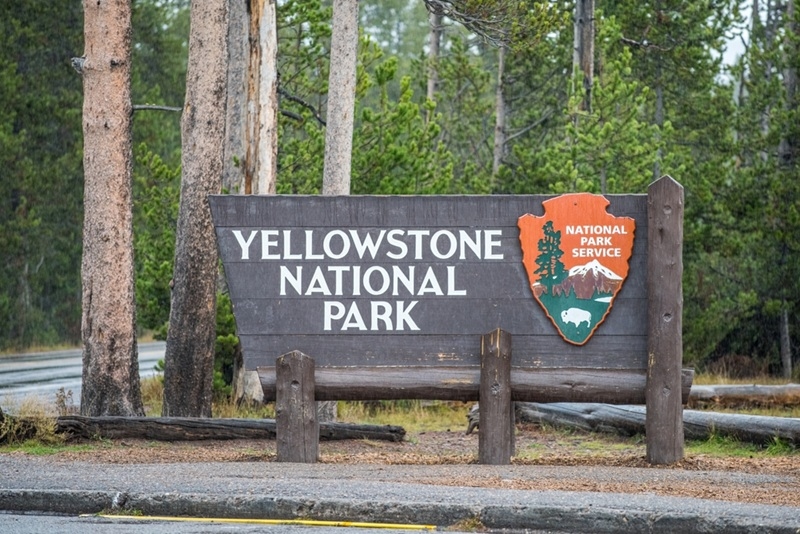
Yellowstone is the heavyweight. Travel Wyoming describes it as a place of geothermal basins, waterfalls, wildlife, and major scenic stops, and its recent itinerary content still centers on Old Faithful, the Grand Canyon of Yellowstone, and standout wildlife viewing. That is not hype. That is just the park being Yellowstone.
This is one of the most essential Wyoming national parks because it gives visitors so many versions of nature in one place. Geysers, rivers, bison, canyon views, thermal color, forests, and open valleys. It is a lot. In a good way. People who want classic things to do in Wyoming nature usually start here because the park covers so much ground, both literally and visually.
If Yellowstone feels sprawling and geologically restless, Grand Teton feels cleaner and more dramatic. Travel Wyoming says the park includes 310,000 acres of valley floors, mountain meadows, alpine lakes, and the rising Teton Range, with hiking, boating, fishing, camping, scenic drives, and wildlife viewing all built into the experience. It also notes that two to three days is a solid amount of time for most first-time visitors.
Among all Wyoming nature attractions, Grand Teton may be the easiest place to fall for quickly. The mountain silhouette does a lot of the work, sure, but the lakes and valley floor make it feel more accessible than a lot of dramatic mountain landscapes. It is one of the strongest Wyoming outdoor attractions for anyone who wants scenery without sacrificing easy day hikes, wildlife viewing, or photography stops.
Devils Tower is one of those landmarks that looks almost unreal in person. Travel Wyoming describes it as rising 867 feet above the surrounding prairie and emphasizes both its geologic impact and its long cultural significance to Northern Plains Indian tribes and the Kiowa Tribe, as well as its continuing importance to the Eastern Shoshone and Northern Arapaho.
That mix of geology and meaning is what makes it one of the most memorable Wyoming parks stops, even though it is technically a national monument rather than a park. Travel Wyoming’s recent Devils Tower guide also highlights the Tower Trail, a 1.3-mile paved loop at the base, which makes it an approachable stop for a lot of visitors.
Bighorn Canyon National Recreation Area is one of Wyoming’s underrated stunners. Travel Wyoming describes it as a place for canyon views, water recreation, hiking trails, and cultural history, and it specifically calls out must-see features like Devil Canyon Overlook, Medicine Wheel National Historic Landmark, Yellowtail Dam, the Bighorn River and Lake, and the Pryor Mountains wild horse herd.
This is one of the best parks in Wyoming for travelers who like big overlooks and fewer crowds. It also helps broaden the idea of Wyoming national parks and protected areas beyond the two names everybody already knows. Not every great Wyoming landscape comes with Yellowstone-level fame.
Flaming Gorge National Recreation Area feels more like a full outdoor zone than a single attraction. Travel Wyoming says it spreads across 207,363 acres and includes campgrounds, a reservoir, boat rentals, scenic drives, and nearby cities like Green River and Rock Springs. The scenery, where the Uinta Mountains meet high desert country, is a huge part of the appeal.
For anyone building a list of Wyoming outdoor attractions, Flaming Gorge is a strong pick because it brings water into the picture in a bigger way. Boating, fishing, scenic byways, and cliff-ringed views make it feel different from the state’s mountain-and-geyser heavyweights. It is also one of the better options for travelers who want things to do in Wyoming nature that involve both driving and getting out on the water.
Also Check Out: Top 7 Wyoming Natural Attractions That Attract Tourists
Fossil Butte National Monument proves that Wyoming’s nature story is not only about scale. Travel Wyoming notes that visitors can explore a visitor center with more than 300 fossils on display, take the scenic drive, hike, picnic, or join ranger programs. It also emphasizes that some of the world’s best-preserved fossils are found in this sagebrush country near Kemmerer.
This is one of the more unusual Wyoming nature attractions because it mixes landscape with deep-time history. Families, especially, may find it one of the more approachable things to do in Wyoming nature because there is a lot to see without committing to a huge hike or a full backcountry day.
Hot Springs State Park in Thermopolis is one of the state’s most distinctive park experiences. Wyoming State Parks says more than 1.8 million gallons of 128-degree mineral water flow over the terraces every 24 hours, and the park includes the free bath house, maintained at 104 degrees, plus over 6 miles of accessible trails. Travel Wyoming also highlights the Rainbow Terraces as a family-friendly hiking stop.
Among the best parks in Wyoming, this one stands out because it is not trying to be rugged in the same way as the others. It is colorful, geothermal, and easy to explore. A little different. That is a good thing.
If the big-name parks feel too obvious, Wyoming’s smaller outdoor areas do a lot of work. Curt Gowdy State Park has three reservoirs, varied terrain, fishing, water sports, and more than 35 miles of trails according to Wyoming State Parks. Sinks Canyon State Park, near Lander, sits at the base of the southern Wind River Mountains and has become a strong year-round park option in Travel Wyoming’s recent coverage. Vedauwoo Recreation Area, meanwhile, is known for giant rock formations, hiking, climbing, and wildlife sightings.
These places matter because the full story of Wyoming parks is not only about marquee destinations. It is also about the stops that turn a road trip into something more layered. The weird rock playground at Vedauwoo. The reservoirs and trails at Curt Gowdy. The canyon scenery near Lander. Those are real Wyoming outdoor attractions too, just with less national marketing attached.
Must Read: Instagrammable Places Wyoming for Stunning Photo Spots
For travelers who want a clean shortlist, this is a strong place to begin:
That mix gives a better sense of the state than just focusing on the two most famous parks. It also shows how broad Wyoming national parks and related public lands really are, from geothermal icons to hot springs terraces to fossil beds and granite rock mazes.
For most travelers, late spring through early fall is the easiest window because more roads, trails, and facilities are open. Travel Wyoming notes that June through August gives warm weather and full access in Yellowstone, while shoulder seasons like late April and early September can bring fewer crowds. Winter can also be excellent in some places, but it changes access and activities a lot.
Yes, very much. Wyoming’s state park system and recreation areas add variety that the two famous national parks do not fully cover. Hot springs terraces in Thermopolis, reservoir-based recreation at Curt Gowdy, and lake-and-camping options at Keyhole give travelers a different side of the state. Travel Wyoming has been pushing this angle hard in recent state park features, and the case is pretty convincing.
Honestly, both. A lot of Wyoming’s best nature areas work well for people who never do a long hike at all. Scenic drives through Yellowstone, around Grand Teton, at Fossil Butte, or near Flaming Gorge are already rewarding. But hikers get a lot too, from family-friendly boardwalks and short loops to mountain trails, canyon hikes, and rock-scrambling areas like Vedauwoo. It is one of the few states where both styles of travel feel equally legit.
This content was created by AI