

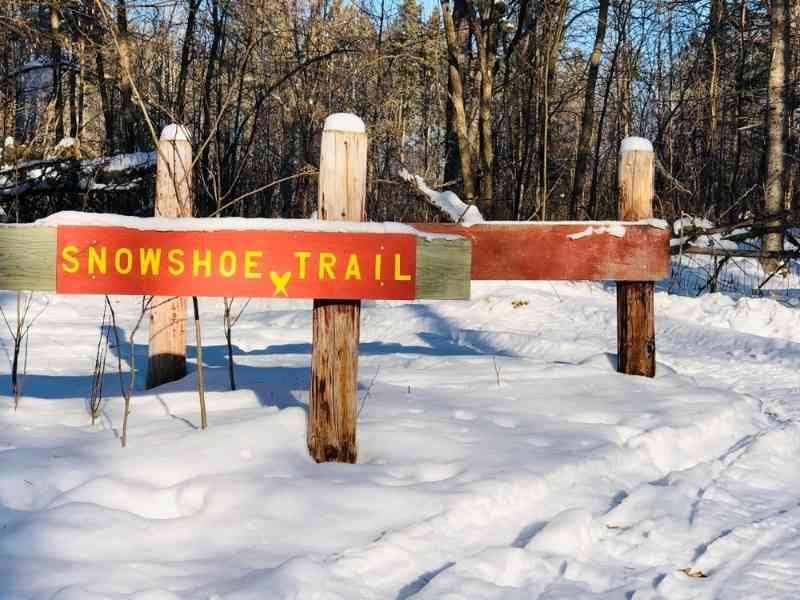
Wyoming’s best snowshoeing trails serve up deep powder, towering mountains, and endless stretches of peaceful winter wilderness. Snow piles up every year, especially around Grand Teton National Park, Bridger-Teton National Forest, and at the southern edge of Yellowstone. These spots turn into a playground for anyone eager to get outside. Snowshoeing has exploded in popularity lately. It’s less technical than skiing but still gets your heart pumping, whether you’re out for a lakeside walk or a wild mountain trek. Wyoming’s got you covered—beginners, pros, and everyone in between.
Here’s where you’ll find the best routes, what to expect from each trail, the best snowshoeing trails in Wyoming, difficulty levels, access tips, the best places to Snowshoe In Wyoming, and a few honest pointers so you can plan your next winter trip in Wyoming.
A snowshoe hike is a winter hike done using snowshoes, which are specialized frames attached to your boots that spread your weight across the snow. This prevents you from sinking deeply into soft powder and makes walking through snowy terrain much easier.
Snowshoeing requires no advanced skiing skills, which is why it has become one of the most popular winter outdoor activities in Wyoming. It combines hiking, light cardio exercise, wildlife viewing, and scenic winter photography, making it suitable for both beginners and experienced outdoor enthusiasts.
Here are the top 10 snowshoeing trails in Wyoming:
If you want easy access and a gentle start, Taggart Lake in Grand Teton National Park is perfect. The terrain is mellow, and the trail cuts through open fields and forest before spilling out onto the frozen lake—all with the Tetons looming overhead. Moose and elk sometimes wander through, so keep your eyes peeled, especially early in the morning. Great for beginners and families.
This route links Taggart and Bradley lakes for a slightly bigger adventure, but it’s not too tough. Snow blankets the pines, making everything feel calm and far away from the busy summer crowds. The shifting Teton views are a treat for photographers, and locals love this loop for half-day outings. Ideal for those ready to stretch their legs a bit more.
Want a little relaxation after your trek? The Granite Hot Springs Trail near Bridger-Teton National Forest comes with a steady (not steep) climb and ends at the historic hot springs. There’s nothing like a post-hike soak in steaming water with a snowy mountain backdrop. It’s the perfect combo of exercise and easygoing reward.
Jenny Lake transforms in the winter—think frozen shorelines and granite giants all around. The trail is flat, which makes it accessible to just about anyone craving epic scenery without too much effort. If you can manage an early start, you’ll catch incredible morning light bouncing off the Tetons. It is one of the best snowshoeing trails in Wyoming.
Only a short drive from Jackson, Cache Creek is a super popular snowshoeing trail in Wyoming with locals. The trail is wide, easy to navigate, and gets plenty of traffic, so it’s rarely too lonely. Forests keep the wind at bay, making this a reliable option if the weather gets intense in higher spots. It’s also close to town and totally free, which helps.
Turpin Meadow lays out big views over the Buffalo Fork River Valley and toward the distant Absaroka Mountains. It feels remote but isn’t hard to follow, making it a real backcountry experience without too much work. The snow quality is usually fantastic. If you want peace and quiet, this is a great pick.
Want deep powder? Head up to Togwotee Pass. The snow is thick, the forests are dense, and open fields offer endless stomping ground. You’ll need some winter hiking know-how out here—the weather moves fast at higher elevations. It’s a dramatic place, and the scenery alone makes it a top winter destination for more experienced snowshoers.
Parts of Moose-Wilson Road become prime snowshoe routes when the snow’s right. The trail winds past wetlands and through forest, all perfect wildlife habitat—think moose, foxes, and winter birds. The varied landscape keeps things interesting, step after step.
Shadow Mountain offers sweeping views across Jackson Hole and straight towards the Teton peaks. It sees fewer crowds than most spots inside the park. If you love wide-open vistas, the higher sections are amazing. Carry trekking poles—after a fresh storm, the snow can get uneven.
Brooks Lake is tucked between Dubois and Togwotee Pass, a quiet stretch loaded with snow, frozen water, pine forests, and big, rugged mountains. Hardly anyone’s out there. It’s peaceful and scenic, perfect if you want to dodge the crowds.
Essential Reads: Top Destinations for Snowmobiling in Wyoming This Season
| Trail | Difficulty | Distance | Fee |
| Taggart Lake | Easy | ~3 mi | National Park Fee |
| Bradley & Taggart Loop | Easy–Moderate | ~5.5 mi | National Park Fee |
| Granite Hot Springs | Easy | ~5 mi | Free |
| Jenny Lake | Easy | ~2–4 mi | National Park Fee |
| Cache Creek | Easy | Varies | Free |
| Turpin Meadow | Easy–Moderate | ~5 mi | Free |
| Togwotee Pass | Moderate | Varies | Free |
| Moose–Wilson Road | Easy | ~3–5 mi | Seasonal Access |
| Shadow Mountain | Moderate | ~4 mi | Free |
| Brooks Lake | Moderate | ~4–6 mi | Free |
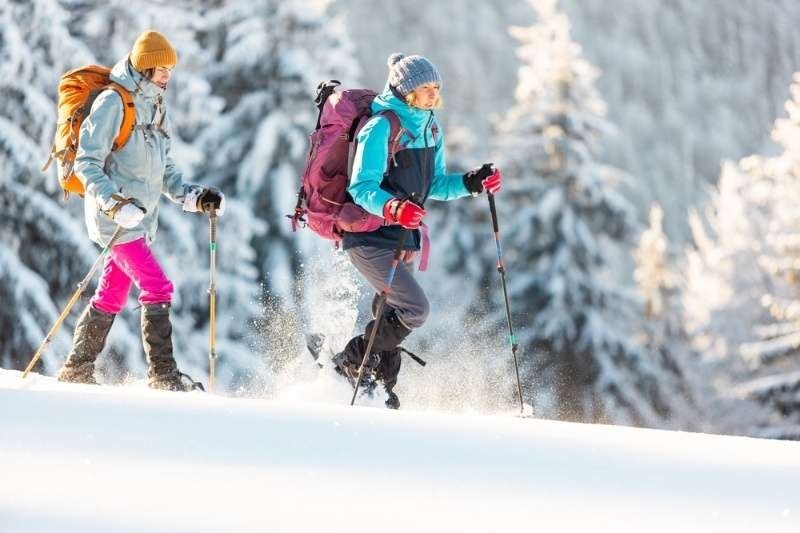
Ensure you follow the tips to the T to avoid any issues later. Here they are:
These tips are even more important if you’re venturing into the more remote areas.
Must Try: Winter Activities in Wyoming: Skiing, Snowmobiling, and More
Wyoming’s snowshoeing trails are everything you imagine winter in the Rockies could be—quiet forests, frozen lakes, tracks from wandering animals, and jaw-dropping mountain views. Whether you want an easy walk at Taggart Lake, a powdery adventure up Togwotee Pass, or the solitude of Brooks Lake, there’s a trail for you. We covered the most popular routes, some awesome free options like free snowshoe trails in Wyoming, and why snowshoeing might just be the best way to experience Wyoming this time of year. Just pack the right gear, do a little planning, and bring your sense of adventure. Snowshoeing out here is hard to beat. I believe one should at least try snowshoeing at least once, and if they like it, go with the reasons to try snowshoeing in Wyoming.
If you need more travel ideas or outdoor guides for Wyoming, airportwyoming.com has a lot of helpful info for planning your next trip. Pick a trail, pack your gear, and go find out what a quiet Wyoming winter really feels like.
Yes. Yellowstone National Park is one of the best places in the United States for snowshoeing during the winter season. Popular areas include Mammoth Hot Springs, Lone Star Geyser, Fairy Falls, and several designated winter trails near the park’s northern entrance. Snowshoeing allows visitors to experience Yellowstone’s geysers, steaming thermal features, bison, and snowy landscapes without the summer crowds. Because winter conditions can be severe, visitors should check park advisories, carry proper winter gear, and stay on marked trails for safety.
Snowshoes spread your weight out and keep you from sinking into soft snow. Winter boots are important—they’ll keep your feet warm and dry—but if you’re on fresh powder or ungroomed trails, boots alone won’t cut it. Snowshoes also give you better grip and let you walk farther with less fatigue. That means you’re safer and can enjoy your hike a lot more.
Mid-morning to early afternoon is usually your best bet. The temperature’s warmer, there’s more light, and icy patches start to soften up. Head out too late in the day and you might deal with colder weather or risk coming back after sunset.
Absolutely. The park has several trails perfect for first-timers, like Taggart Lake and Jenny Lake. They’re clearly marked, easy to navigate, and set against some stunning scenery. If you don’t have your own snowshoes, just rent a pair in Jackson before you go.
You don’t have to have them, but trekking poles really help—especially on rough or uneven snow. They keep you steady, protect your knees a bit on the downhills, and make it easier to cross packed or icy spots. Adjustable poles with snow baskets are best for Wyoming winters.
Definitely. Lots of trails are great for kids, especially shorter and flatter ones like Taggart Lake, Jenny Lake, or Cache Creek. Stick to easy terrain, set a comfortable pace, dress everyone in warm, waterproof layers, and bring plenty of snacks and warm drinks to keep things fun.
This content was created by AI