

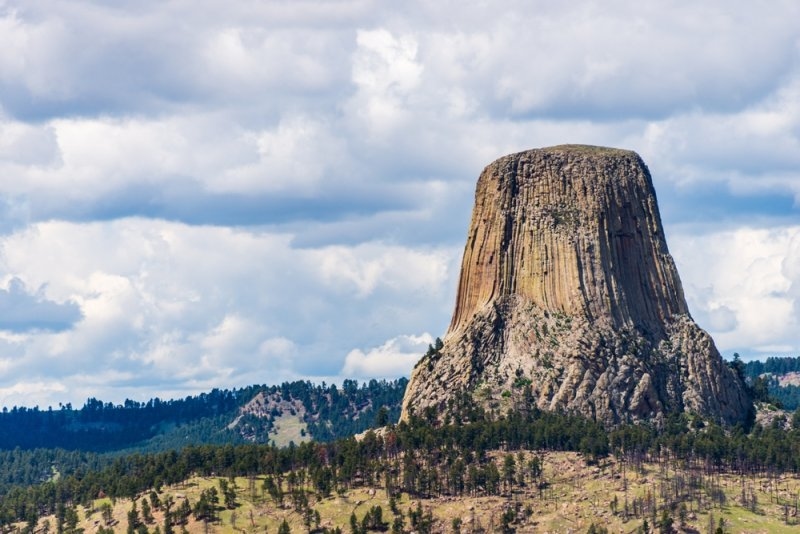
Devils Tower climbing is one of those activities that features prominently on most climbers' to-do lists. Devils Tower rises 867 feet from its base and more than 1,200 feet above the surrounding plains, commanding the northeastern Wyoming landscape like no other natural feature in North America. Every year, the monument draws millions of visitors, with several thousand of them choosing to attempt an ascent of its majestic columns.
It's more than just a climb, though—it's a geological wonder, a historically significant destination, physically demanding, and visually spectacular. The first documented ascent was in 1893, and since then, Devils Tower has become one of the most famous traditional climbing destinations in the USA.
You can't just show up at Devils Tower with your rope and harness, though; climbing it requires understanding the routes, conditions, required skills, and the monument's cultural importance.
We'll cover the history of climbing Devils Tower, some of the more popular routes on it, the best time of year to climb, and answer your most frequent questions before you decide to climb Devils Tower.
Certain climbs are famous because of their height, and others for their technicality. Devils Tower has all of these, plus a unique quality unparalleled by other climbing destinations.
From miles away, the Tower has an uncanny, almost alien-like structure; vast, vertical columns rise up from its base, creating one of the world's most iconic formations.
The nature of these columns creates crack systems unlike those found anywhere else on Earth. This often makes Devils Tower a far more rewarding crack climbing challenge than other, more face-oriented ascents. With that said, many established routes require sustained crack climbing, solid hand jams and finger locks, and extensive traditional protection, making it a physical test of climbing prowess.
But before we talk about the climbing, let's just take a little time to talk about how it got there.
Perhaps one of the questions most frequently asked of anyone at the monument is "How was Devil's Tower formed?"
According to geologists, in a prehistoric era, magma, or molten rock, worked its way upward through layers of sedimentary rock beneath the Earth's crust.
As this magma cooled and solidified within the earth's surface, it shrank and cracked to form these distinctive column-like polygons, or columns, which are what we see in the Tower today.
Eventually, wind and water eroded the surrounding rock, revealing the present-day tower.
This, then, sits dramatically up from the surrounding landscape and explains why this unique monument that fascinates both climbers, tourists, and vacationers alike, is one reason the first National Monument was established.
Before we get into the climbing, we should address one of the most common questions visitors ask: What exactly is Devil's Tower?
Geologists believe that Devil's Tower was formed millions of years ago. When magma pushed its way up through the Earth's crust, it cooled and solidified underground. As this magma cooled, it began to contract, creating the famous columnar shapes we see today, and the surrounding sedimentary rock slowly eroded over millions of years, revealing its distinctive profile.
The massive formation that rises steeply from the Wyoming landscape is one of the most recognizable natural structures in the United States and one of the first sites ever declared a National Monument in the U.S. (in 1906).
Climbing has a rich history at Devil's Tower. The first recorded climb was in 1893 by local ranchers, who scaled its columns by driving wooden pegs into cracks in the mountain. Some of the famous historical pegs can still be seen on the mountain today. The modern climbing age at Devil's Tower truly began in the mid-20th century, when climbers realized the immense potential of traditional climbing routes and the challenge posed by the tower's exceptional crack systems. Today, there are over 200 climbing routes, ranging from introductory traditional ascents to high-difficulty routes that test some of the most advanced traditional climbers in the best climbing spots.
Although Devils Tower offers climbs of a wide range of difficulties, the types of climbs do not differ significantly. Here is a guide to Climbing Routes on Devils Tower:
This is one of the most popular and classic Devil's Tower routes, first climbed in 1938. Although it is moderately difficult, it provides a great introduction to climbing the Tower for many traditional climbers with previous experience.
One of the classic middle-grade routes on Devil's Tower, the Walt Bailey Memorial is incredibly fun, offering fantastic views, solid protection, and some of the best overall climbing on the monument.
More technical than both the Durrance and the Walt Bailey Memorial, the Soler route features sustained crack sections that require advanced technical climbing and strong traditional climbing skills.
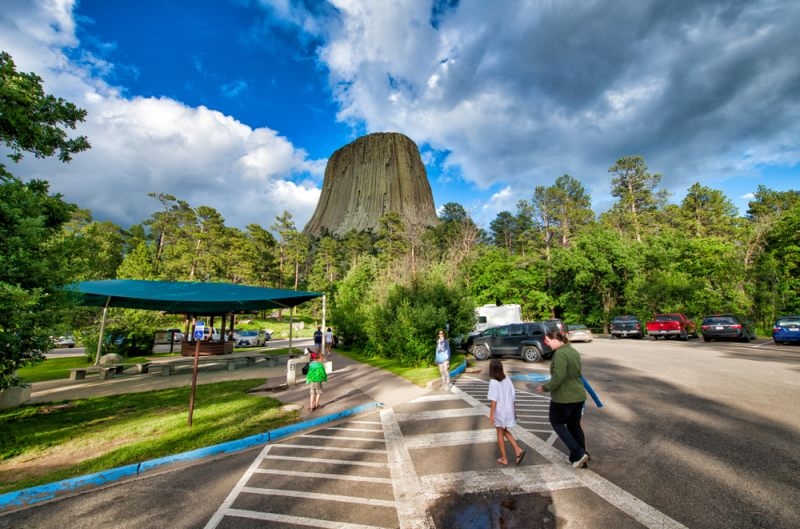
One of the most frequently asked questions is, "How long does it take to climb Devil's Tower?" The answer varies between each group; depending on experience level, route choice, conditions, and group size, an ascent usually takes 4 to 8 hours and includes the following:
Climbers with extensive experience can ascend more rapidly. The descent is not quicker, as it requires considerable vigilance and careful rope management.
The Devil's Tower climbing season, the time of year you choose to climb at Devil's Tower can significantly affect your experience. The climbing season generally runs from late spring to early fall.
Conditions in the spring tend to be more stable, and crowds are lower; however, weather can change quickly, and storms can appear without much warning.
During the summer months, there are more daylight hours and thus more opportunities to climb, but it is much hotter, and many more tourists are at the monument and on the trails. One crucial thing to know is that throughout the entire month of June, the National Park Service voluntarily closes climbing at the tower due to its sacredness to Native American culture. Many climbing visitors will book their ascent dates well outside of this month.
Many climbers prefer autumn for its comfortable climbing conditions and relatively stable weather; fewer people in the park make September and October the most popular months to visit for climbers.
Devils Tower should by no means be approached by beginner climbers. However, below is a list of skills that are typically required for a successful climb on the tower:
If this is your first visit to Devil's Tower as a climber, it's highly recommended to hire a professional guide to ensure you have a safe and unforgettable experience on the monument!
Climbing Devils Tower is a unique and challenging ascent, the result of a fascinating geological process and a rich history of adventure. We've covered a basic introduction to the monument, explored a few of its more famous climbing routes, touched on its ideal seasons for climbing, and addressed frequently asked questions about the time and skill level required. Whether you're a professional climber looking for an adventure on one of America's most famous rock formations or just curious about outdoor excursions in the country, Leisure.com can provide inspiration and helpful tips.
Climbers need to register before they begin their ascent of Devils Tower, but a recreational climbing permit isn't required on the monument. Please refer to the current National Park Service rules before visiting the tower.
Although a complete beginner can't safely climb Devil's Tower on their own, guided trips do exist. Climbers with a higher skill level can take advantage of these opportunities to climb the monument with a guide and learn about climbing the Tower in a protected setting.
In addition to standard climbing equipment, climbers should bring weather-appropriate clothing, water, snacks, sun protection, and a small first-aid kit. Conditions can change throughout the day, especially during longer climbs. Proper preparation helps ensure comfort, safety, and a more successful experience on the Tower.
This content was created by AI