

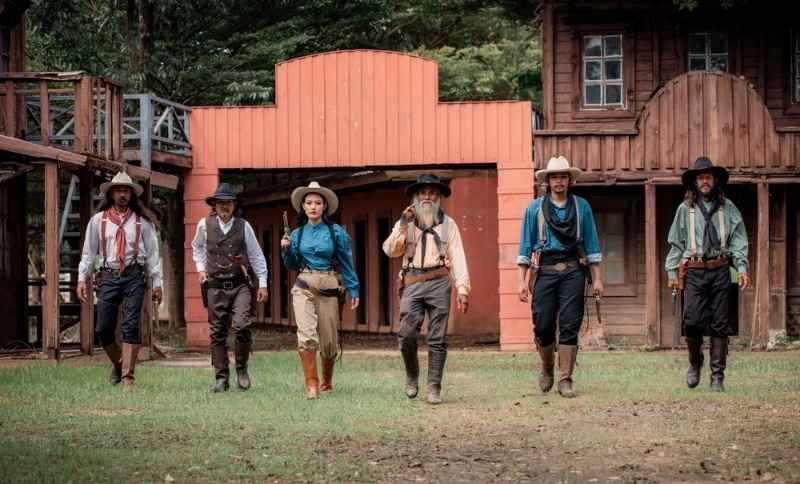
The modern world is loud, fast, and fake. People are tired of digital noise and corporate cubicles. They want something real. Cowboy culture in Wyoming offers a brutal, honest connection to a history that hasn't been erased by concrete. Wyoming is the Equality State, but it is defined by the grit of the West. This is not a theme park. It is a living tradition where boots, spurs, and hard work still dictate the pace of life. Tourists flock here to find a world where the horizon is wide, and the rules are simple.
Must Read: Wyoming Rock Climbing: A Guide to Top Routes and Locations
The appeal of the West is not about costumes or theatrical shows. It is about a specific, hardcore set of values that many feel the modern world has abandoned. Here is exactly why the culture remains a massive draw for outsiders.
People want proof that the Code of the West still exists. The original cowboys faced brutal weather and massive physical danger just to move cattle. That exact environment forced them to build a strict, honor-based culture just to survive. Tourists show up looking for that exact same grit. They want to see real solidarity, not a Hollywood script.
Rodeo is the official state sport. It dominates the entire local culture. None of the action in the dirt is staged for a crowd. Every single event is just a public display of the exact skills needed to run a working ranch. Crowds pack the stands to watch actual athletes risk their necks for an eight-second ride.
The state is massive and empty. The Rocky Mountains violently crash into the High Plains. People escape massive cities just to ride a horse and feel the dirt under their boots. You lose cell service fast out here. Neon signs and concrete get replaced by old hitching posts and quiet valleys.
You will never find a real cowboy experience in Wyoming sitting in a rental car. You have to get dirt on your clothes. You have to track down the exact places where the work still happens.
Nearly 200,000 people flood the city every summer for the biggest outdoor rodeo on earth. It started back in 1897 as a simple bronc riding contest between tired ranch hands. Now, it is a massive battleground. Top-tier PRC Athletes fight for huge payouts in steer wrestling and bull riding.
Cody runs a professional rodeo every single night of the summer. Nobody else in the country does this. It started in 1938 and never stopped. It is a brutal, high-speed proving ground for young riders and aggressive bulls. You can walk into the arena any evening from June to August and watch legitimate, high-stakes competition.
Forget standard hotels. Book a room on a working cattle operation. Some are rough and basic, while others lean heavily into luxury. You spend the entire day in the saddle. You physically help move herds of cattle across the plains. It is a fast, unfiltered education on exactly how the Western agricultural machine actually operates.
Specific towns in Wyoming have maintained their Western identity by refusing to modernize their core values. These are the primary locations to experience the cowboy culture in Wyoming.
Known officially as the "Rodeo Capital of the World," Cody maintains a deep, unshakeable connection to its founder, William F. Cody. Buffalo Bill held rodeo tryouts behind the Irma Hotel, establishing a legacy that the town fiercely protects. Beyond the nightly arena action, the town serves as the main gateway to Yellowstone and stands as the undisputed epicenter of rodeo history.
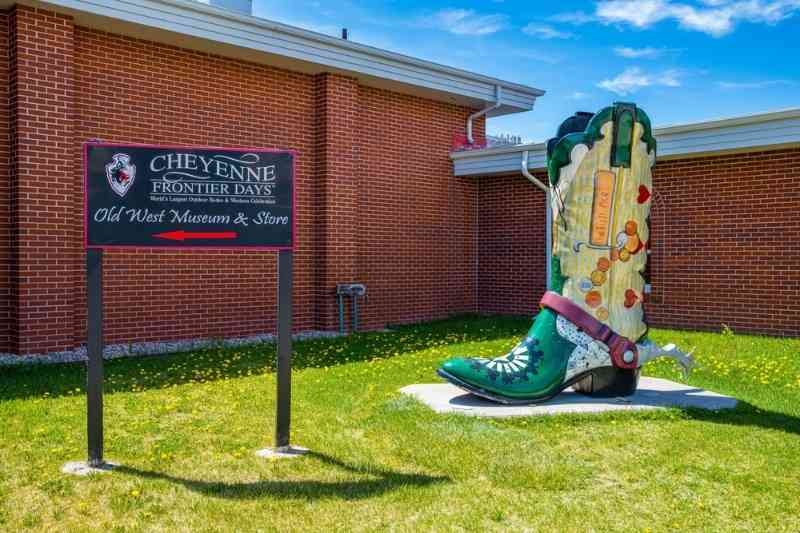
The state capital balances modern government infrastructure with deep historical roots. The annual Cheyenne Frontier Days completely overtakes the city every July, featuring massive parades, an Indian village, and chuckwagon cooking. The Cheyenne Depot Museum documents the heavy impact of the railroad on the early cattle industry, proving that the city remains the hub of the frontier.
Massive wealth and brutal mountain terrain collide right here. Billionaire mansions sit in the shadow of the jagged Grand Tetons. But the town refuses to erase its rough history. Walk inside the Million Dollar Cowboy Bar, and you will sit on an actual leather horse saddle instead of a stool. Huge arches made of hundreds of shed elk antlers frame the main square. Every single night, loud theatrical gunfights break out in the middle of the street. It is aggressive, unapologetic, and completely Western.
This town runs on heavy leather and hard labor. It mixes dirty cattle ranching with high-stakes polo matches. Ernest Hemingway actually lived and wrote here because the isolation is completely real. The locals handcraft the best riding gear on earth. Walk down the main street, and you will see wooden hitching posts standing right outside the local bars. Working cowboys still ride their horses straight into town for a drink. The history here is not locked behind glass. It happens daily on the pavement.
Located at the foot of the Bighorn Mountains, Buffalo offers a quiet, intense look at frontier history. The town served as the direct inspiration for the popular Longmire book and television series. The Occidental Hotel stands as a perfectly preserved time capsule where outlaws like Butch Cassidy once hid. Walking through the lobby provides a direct, physical connection to the violent and lawless era of the late 1800s.
Understanding the cowboy experience in Wyoming is about recognizing the survival of a rugged lifestyle. This isn't just about entertainment; it is about a functional way of life that values independence and resilience. Tourists enjoy the culture because it offers a break from the artificiality of the modern world.
The summer months, specifically June through August, are the absolute critical times to visit. This exact window is when the Cody Nite Rodeo runs every single evening and when the massive Cheyenne Frontier Days dominates late July.
Cody is widely considered the premier location for families. The nightly rodeos guarantee raw action. When the dirt settles, head to the Buffalo Bill Center of the West. It holds five massive museums packed under one roof. You get a blunt look at antique firearms, rugged western art, and actual Plains Indian history. It is a mandatory stop.
No. You do not need to know how to ride. Dude ranches take complete beginners and put them right in the saddle. They hand you a calm horse, teach you the absolute basics, and guide you straight into the deep backcountry. You will ride across the open plains on day one, regardless of your past experience.
This content was created by AI