

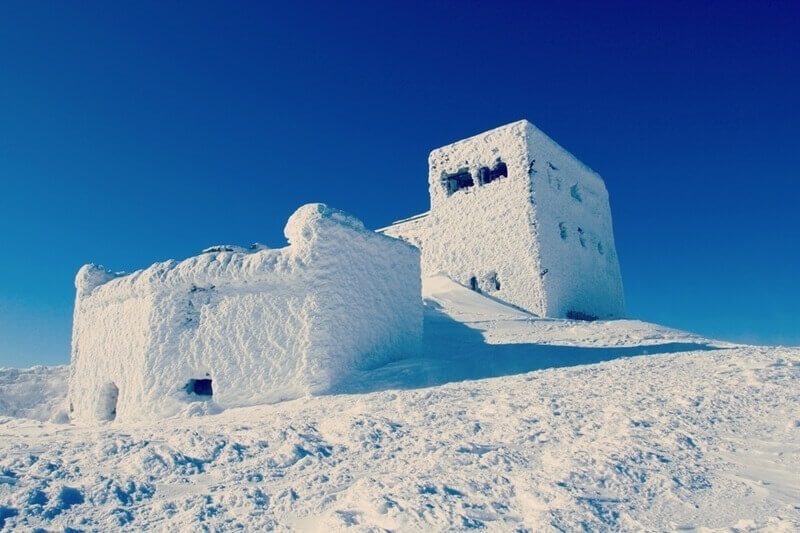
There’s something about Wyoming skies. Maybe it’s the wide-open stretches of land. Maybe it’s the thin mountain air that makes the stars burn brighter. Whatever it is, few places in the U.S. rival the night skies here. And if you’re in Jackson, there’s one spot that takes stargazing to another level — the Snow King Mountain Observatory.
This isn’t your standard “look up at the stars and guess the constellations” experience. It’s a gateway to the cosmos, perched high above town, where science and wonder collide. And honestly? Even if you’re not an astronomy buff, a night here will leave you speechless.
First, let’s talk location. Snow King Mountain towers right above Jackson, just a stone’s throw from the town square. During the day, it’s all about skiing in winter or hiking in summer. But at night? The mountain transforms. Light pollution fades, horizons stretch wide, and the Milky Way practically paints itself across the sky.
And the best part — it’s so accessible. Unlike some observatories that require hours of driving into the middle of nowhere, this one is a short gondola ride away. Which brings us to…
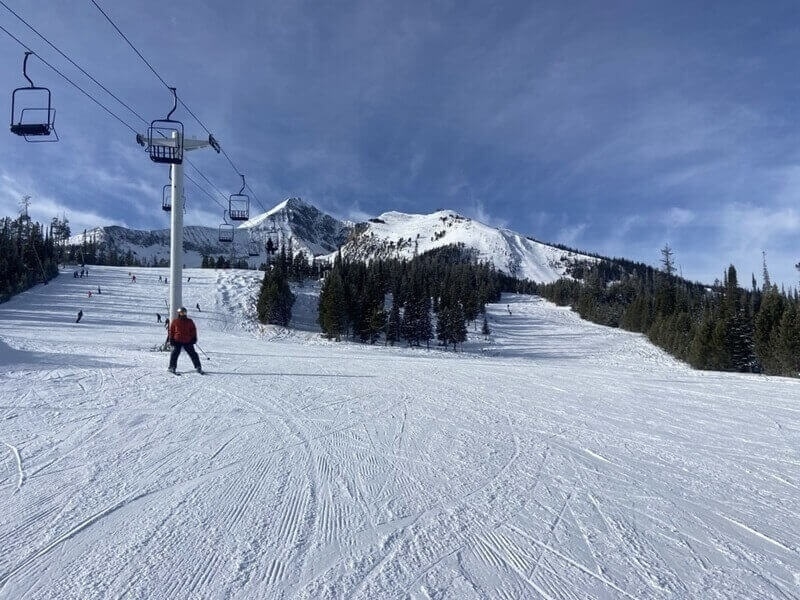
If there’s ever been a more dramatic way to kick off a night of stargazing, I haven’t found it. The Peak 2 Peak Gondola whisks you up the slopes, carrying you away from the glow of the town below. The ride itself is worth the ticket — sweeping views of the Tetons during sunset, the quiet hum of the cable line, that feeling of leaving everyday life behind.
By the time you reach the top, the sky is darker, the air crisper, and the anticipation builds. You’re not just going up a mountain. You’re heading closer to the stars.
Okay, let’s pause for a second. You might be wondering: what is an observatory, really? At its simplest, it’s a place designed for watching the skies — usually outfitted with telescopes, domes, and equipment that lets scientists and visitors explore the universe. But here’s the thing: observatories aren’t just about science. They’re about storytelling. They turn cold data into awe-inspiring moments. They make galaxies millions of light-years away feel personal.
At Snow King, that storytelling element is front and center. You don’t just see stars. You learn the myths, the physics, the why behind the wonder.
What sets this place apart is the combination of the Snow King Observatory and Planetarium. On one side, you’ve got high-powered telescopes revealing craters on the moon, rings of Saturn, even distant nebulae. On the other, a planetarium where constellations dance across a dome, guided by experts who make space feel surprisingly down-to-earth.
The dual setup means you get the best of both worlds. If clouds roll in, the planetarium keeps the magic alive. If the skies are clear (and in Wyoming, they often are), the telescopes take over, drawing gasps from first-timers and seasoned sky-watchers alike.
Lots of towns have observatories. But few balance accessibility, natural beauty, and scientific rigor quite like this one. There’s an intimacy here. You’re not lost in crowds or overwhelmed by technical jargon. Instead, you get that rare combination of being both educated and enchanted. It’s part classroom, part wilderness adventure, part spiritual reset.
And let’s be honest — standing on a mountaintop, looking through a telescope at a planet millions of miles away? It makes daily stress feel very, very small.
You May Also Like: How to Plan a Scenic Road Trip from Cheyenne to Yellowstone
If you’re already in Jackson for Yellowstone or Grand Teton adventures, this is the cherry on top. Spend your days hiking trails or spotting bison, then wrap up the night by gazing at galaxies. It’s the kind of contrast that makes a trip unforgettable. Rugged wilderness by day, cosmic wonder by night.
Families love it because kids come away buzzing with questions. Couples love it because it’s impossibly romantic. Solo travelers? They get a night of reflection they didn’t even know they needed.
Want to make the most of your observatory night? A few simple hacks:
Dress warmly. Even in summer, mountain nights get chilly.
Bring your curiosity. Don’t be shy about asking guides your wildest space questions.
Let your eyes adjust. It takes 20–30 minutes for full night vision, so ditch your phone glow.
Embrace the unknown. Sometimes clouds cover the stars. That’s okay. The planetarium keeps the experience alive.
At its heart, the Snow King experience works because of Wyoming itself. The state has some of the darkest skies in the continental U.S. No major cities nearby. No endless sprawl of suburban streetlights. Just vast wilderness and a horizon that seems to stretch forever.
That natural canvas makes every shooting star brighter, every planet sharper, every nebula more hauntingly beautiful. It’s not just stargazing. It’s perspective.
One thing that makes the observatory stand out isn’t just the telescopes — it’s the community vibe. Throughout the year, the Snow King team hosts special nights tied to meteor showers, eclipses, or seasonal constellations. Locals and tourists gather side by side, bundled in jackets, sharing hot cocoa while guides point out cosmic highlights.
These events feel less like lectures and more like campfire storytelling, just with the universe as the backdrop. It’s astronomy made social, giving everyone — from curious kids to lifelong stargazers — a chance to connect with both the stars above and the people beside them.
Worth A Look: Top Destinations for Snowmobiling in Wyoming This Season
The Snow King Mountain Observatory isn’t just a place to peer through a telescope. It’s a reminder of how small we are — and how big the universe is. It’s science made personal, astronomy made accessible, and a night out that will stick with you long after you’ve left Jackson.
So next time you’re in Wyoming, don’t just look at the stars from your hotel balcony. Take the gondola, climb the mountain, and let the cosmos put on a show. You’ll never see the night sky the same way again.
The primary 1-meter Planewave CDK1000 telescope features a Dall-Kirkham Cassegrain optical system optimized for high-resolution deep-sky astrophotography, exoplanet transit monitoring, and asteroid tracking. Its position above the atmospheric inversion layer in Jackson Hole provides low atmospheric turbulence and exceptional image clarity for optical research.
The facility utilizes a specialized 150 mm Hydrogen-Alpha solar telescope that filters out harmful radiation while isolating specific hydrogen light wavelengths. This allows daytime summit visitors to safely observe solar prominences, coronal mass ejections, and magnetic sunspot structures across the sun's chromosphere in real time.
The observatory operates automated thermal conditioning systems inside the dome to equalize internal air temperatures with the ambient winter cold before opening the slit. This step prevents thermal air currents from warping telescope mirrors or causing condensation, ensuring sharp optical focus during sub-zero winter stargazing sessions.
The Town of Jackson and Teton County enforce strict dark-sky lighting regulations requiring fully shielded, down-directed light fixtures across local properties. Limiting artificial light scatter ensures night skies around the summit, protecting sensitive telescope sensors from light pollution while imaging faint deep-sky targets.
The observatory is engineered as a fully ADA-accessible high-altitude facility, featuring level floor transitions, wide-door planetarium access, and an enclosed scenic gondola lift. Accessible viewing monitors connected directly to the primary telescope allow all visitors to view live astronomical camera feeds comfortably, regardless of mobility needs.
This content was created by AI