

Grand Teton National Park is an awe-inspiring natural beauty located in northwestern Wyoming. Characterized by its boulder-filled mountains, crystal-clear lakes, and diverse wildlife, the park is a destination that attracts nature lovers, adventure junkies, and photographers in search of scenes so beautiful they will leave their viewers speechless. Whether you are visiting for a day trip or spending several days here, this book is packed with everything you'll need to know, ranging from the best attractions and trails to ticket details and travel hints.
Grand Teton National Park is situated next to Jackson, Wyoming. Jackson Hole Airport (JAC), the closest airport, is situated within the national park. Traveling by road, the national park is directly accessible via U.S. Highway 89 to Yellowstone National Park in the north. A rented car is always advisable to enjoy the park with flexibility.
To gain entry into Grand Teton National Park, park passes need to be bought by the visitors. Below are the existing entry fees:
Tickets are available at park entrances or online via the National Park Service website.
Grand Teton National Park is full of stunning spots that highlight its natural splendor, ranging from glacial lakes to towering mountains. Below are some of the top spots you should not miss on your trip.
One of the park's most scenic areas, Jenny Lake, provides beautiful reflections of the Teton Range. The lake may be traveled by boat across its surface, hiked around its edges, or visited at Hidden Falls and Inspiration Point. Jenny Lake is also a kayak and canoe favorite, offering a serene means of seeing the site. Moose and bald eagles may often be seen along its shores.
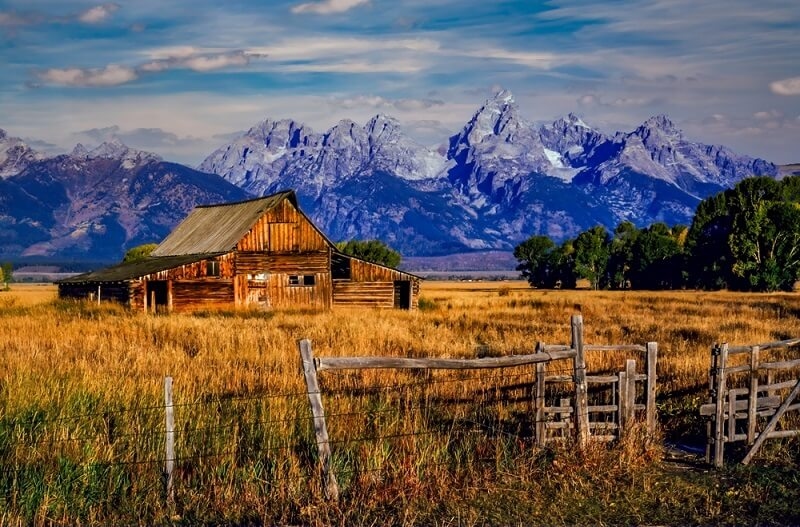
This renowned historical site boasts well-maintained homesteads dating back to the early 1900s. The legendary Moulton Barn against the Teton backdrop is a photographer's delight. Visiting the area provides a glimpse of life in the early settlers who worked the land within this extreme environment. The rustic beauty of the barns and cabins promises a visit that will never be forgotten.
For finding peace, Schwabacher Landing is a peaceful location on the Snake River, perfect for wildlife observation and taking reflections of the mountains in calm water. The peaceful ambiance makes it the ideal location for a picnic amidst the Tetons' splendor. It's also a great location for early morning or evening photography.
This scenic overlook is one of the finest spots to observe wildlife like moose, beavers, and bald eagles. The curve of the Snake River forms a beautiful mirror-like reflection of Mount Moran. Sunrise and sunset enhance the most brilliant colors of the landscape, which makes it a photographer's favorite. Canoeing or kayaking here can provide an intimate encounter with the park's varied ecosystem.
One of the park's largest lakes, Jackson Lake, is ideal for boating, fishing, and kayaking. Signal Mountain Lodge provides a stunning view. The lake has numerous islands, which make it beautiful, and they have boats available to rent or a scenic cruise. Camping by the lake provides an opportunity to wake up to amazing mountain views.
Read This Also: Wyoming Historic Sites You Should Visit on Your Next Trip
Aside from sightseeing, the park provides a wide range of thrilling activities that allow you to engage in nature. You can be an adventurer or a mere explorer, and these activities are sure to make your visit worthwhile.
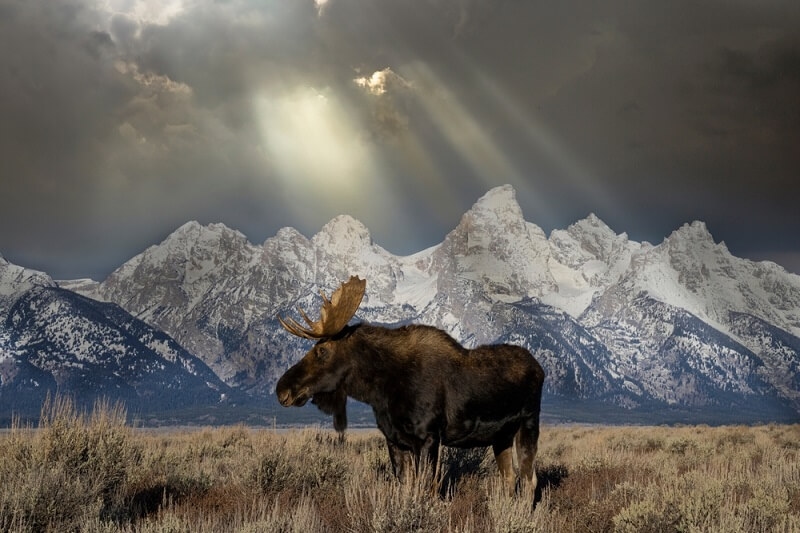
Grand Teton is home to diverse wildlife, including grizzly bears, black bears, moose, elk, bison, and bald eagles. Early mornings and evenings are the best times to spot these majestic creatures. Bring binoculars and a camera to capture these incredible moments from a safe distance. Remember to respect the wildlife by keeping at least 100 yards from bears and wolves and 25 yards from other animals.
Getting around the park is itself an adventure. The 42-Mile Scenic Loop Drive exposes you to some of the most recognizable sights of the park, with numerous opportunities to take photographs. The drive comprises visits to numerous viewpoints where you can take in the beauty of the Tetons from varied viewpoints. In fall, the aspen trees with their golden leaves make the drive even more stunning.
From dawn at Mormon Row to dusk at Snake River Overlook, photographers will have limitless inspiration from the Grand Teton's scenery. The varying light during the day produces dramatic contrasts on the peaks of the mountains. Whether photographing wildlife, lakes, or rocky cliffs, there is something exceptional in every corner of the park.
Suggested Read: Wyoming Horseback Riding Adventures: Top Trails & Ranches
Hiking is one of the best ways to enjoy the untouched beauty of Grand Teton National Park. With trails that range from easy strolls to steeper climbs, there's an experience for every skill level.
This easy trail ends at a scenic alpine lake with breathtaking views of the Tetons. It's an ideal family hike. The trail is well-kept and has good shade, making it suitable for people of all ages. Wildflowers bloom on the trail during summer, giving it extra beauty.
A must-hike that brings you by cascading waterfalls before arriving at a viewpoint with panoramic views across Jenny Lake. The boat shuttle across Jenny Lake reduces the hike, making it more convenient. This trail is perfect for someone seeking a balance of adventure and rewarding views.
This hike offers breathtaking scenery, including towering peaks, lush meadows, and possible moose sightings. The trail follows a beautiful river, providing a peaceful and refreshing experience. Hikers should start early to avoid crowds and have the best chance of spotting wildlife.
Get There Early: Crowds are easily accumulated at well-known sites such as Jenny Lake. Coming early will allow you to have a serene time and improved animal views. Morning light is also an ideal photo time.
Pack Smart: Pack layers, sunscreen, lots of water, and bear spray as a safety precaution. The weather may change quickly, so layering saves you from overheating or underdressing throughout the day. A good hiking shoe is a must if you plan to hike the trails.
Respect Wildlife: Keep a safe distance from wildlife—at least 100 yards away from bears and wolves and 25 yards away from other wildlife. Never feed or touch animals, as this can be hazardous for visitors and wildlife. Taking pictures using a zoom lens is the best method to photograph them safely.
Check Weather: The Weather is extremely unpredictable, so always be ready. Showers, snow, or drastic temperature fluctuations might happen even in the summer. Keep an eye on forecasts before going out as it can facilitate better planning for your activities.
Book Accommodations Early: Accommodations within the park book up months ahead of time. When camping or lodging, booking early guarantees you get the best that is available. If park accommodations are booked, consider staying in Jackson.
You May like: Your Guide to Wyoming Airports: Travel Tips & Insights
Grand Teton National Park is a haven for nature enthusiasts, providing breathtaking landscapes, varied wildlife, and exciting adventures. Whether you're walking through beautiful trails, sailing on crystal-clear lakes, or just basking in the scenery, your initial visit to this park will be one to remember. Take your time to discover, immerse yourself in nature, and appreciate every second of this amazing national gem. With careful planning, your adventure will be both thrilling and safe, and you'll have memories to last a lifetime of this stunning destination.
Seasonal winter road closures restrict private vehicular travel along key park thoroughfares, including Teton Park Road between Taggart Lake Trailhead and Signal Mountain, as well as Moose-Wilson Road. From November through April, these snow-covered corridors transition into designated non-motorized routes reserved exclusively for cross-country skiing, snowshoeing, and winter wildlife monitoring.
Operating private motorized or non-motorized watercraft on park lakes requires purchasing a valid Grand Teton National Park boat permit through Recreation.gov alongside a state-issued Wyoming Aquatic Invasive Species (AIS) decal. Furthermore, all watercraft must undergo a mandatory physical AIS inspection at designated park check stations before launching into Jackson Lake, Jenny Lake, or the Snake River.
Anglers fishing the Snake River within park boundaries must hold a valid Wyoming state fishing license and strictly adhere to native cutthroat trout catch-and-release rules or specific harvest limits. Travelers seeking guided float trips or whitewater excursions must book directly through authorized park concessionaires holding official National Park Service commercial use authorizations.
Backcountry regulations require all food, garbage, and scented toiletries to be locked inside approved, interagency-tested bear-resistant canisters or hung from designated tall bear poles when camping. Additionally, park rangers strongly recommend that all hikers and backpackers carry EPA-approved bear spray in an easily accessible holster, ensuring visitors know proper deployment techniques in the event of a close encounter with black or grizzly bears.
Photographing iconic spots like the Thomas Moulton Barn on Mormon Row or the river reflections at Schwabacher Landing requires arriving at least 45 minutes before first light to secure tripod positioning. Visiting during late spring or early autumn yields softer morning light and lower visitor density, while staying quiet and remaining on established dirt paths prevents disrupting grazing wildlife or damaging delicate meadow vegetation.
This content was created by AI