

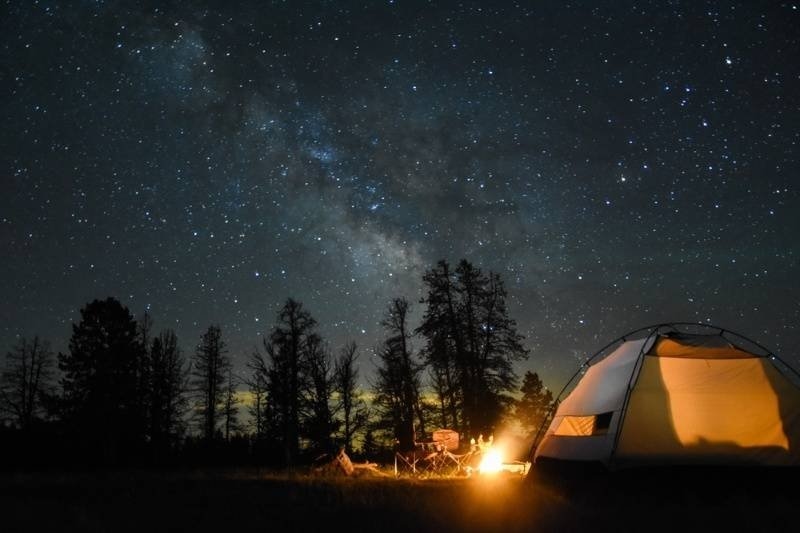
Stargazing in Wyoming isn’t just looking up—it’s an experience that’s tough to match anywhere else in the country. Fewer than 600,000 people live in this massive state, and that means almost endless open spaces, far less light pollution, and skies dark enough for the Milky Way to shine bright right above you.
Yellowstone and Grand Teton National Parks are famous for their night skies. The National Park Service keeps pointing out how incredible the stargazing is thanks to the high elevation and crisp, dry mountain air. You get crystal-clear views of stars, planets, and meteor showers—stuff you’ll rarely see from a city or suburb.
If you’ve ever wanted to stand under a sky packed with stars, this guide will show you the best spots for stargazing in Wyoming, the best stargazing sites in Wyoming, and where to catch the Milky Way on your next trip.
Wyoming’s high elevation, dry air, and huge stretches of public land make it perfect for stargazing. It just isn’t crowded, so there’s barely any light pollution. Plus, the backdrop is unreal—it’s not just stars above a parking lot, but mountains, forests, valleys, and endless prairie, all framing the night sky.
What can you do out here?
Essential Reads: Which Wyoming Small Towns are Worth Visiting First?
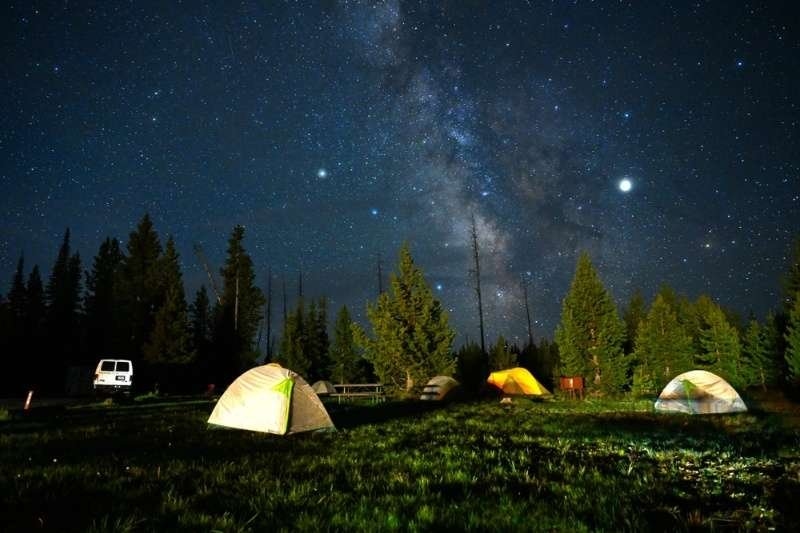
Here are the best spots for Wyoming stargazing below:
The Tetons are jaw-dropping by day, but after sunset? They turn into dark silhouettes, and the Milky Way arches overhead.
Here are the top spots:
Lakes often reflect the stars, making for stunning photos.
Everyone knows Yellowstone for geysers, but its stargazing is just as epic. The park is huge, so you can easily escape any city lights.
These places have some of the sharpest night-sky views.
Want quiet? Bighorn’s remote campgrounds, meadows, and ridges are perfect. You’ll find solitude and uninterrupted skies—a nice alternative to the busy national parks.
Medicine Bow is easy to reach from southeast Wyoming. Its mix of forests, lakes, and open meadows makes it great for both casual stargazers and photographers.
If you’re chasing the Milky Way, these places never disappoint:
| Destination | What Makes It Special |
| Grand Teton National Park | Unbeatable Mountain Scenery |
| Yellowstone’s Lamar Valley | Exceptionally Dark Night Skies |
| Bighorn National Forest | Remote Camping Opportunities |
| Medicine Bow | Wide, Open Horizons |
| Flaming Gorge | Unique Desert-Like Landscape |
You’ll see the Milky Way’s core best from late May to early October; July and August are prime.
Here is your guide to preparing the best for your adventure:
A full moon washes out faint stars—the Milky Way included. Aim for a trip within three days of a new moon for pitch-black skies.
You’ll need a warm jacket (it gets chilly, even in July), hat and gloves, a red flashlight, a blanket or reclining chair, binoculars, and some snacks and water.
Skip phone screens and white flashlights. Give your eyes 20–30 minutes to adjust, and you’ll be amazed at how much more you can see.
Day 1: Arrive in Jackson, wander around, then hit Oxbow Bend at sunset. Stick around as the Milky Way creeps over the Tetons.
Day 2: Visit Jenny Lake by day, then head to Signal Mountain after dark for sweeping sky views.
Day 3: Drive up to Yellowstone and spend the night in Lamar Valley—one of the park’s darkest spots.
This route lets you hit two world-famous stargazing spots in one journey.
It’s not just the darkness—the landscapes add drama. Watching the Milky Way rise above the Tetons or stretch across Yellowstone’s valleys gives everything a sense of scale and wonder. The silence matters, too. With no city glow or urban noise, the night sky feels bigger and far more vivid.
Try This: What are the Best Things to do in Wyoming for Couples?
Wyoming hands you some of the blackest, most awe-inspiring night skies in the country. Whether you’re hiking, camping, or snapping photos, places like Grand Teton, Yellowstone, Bighorn, and Medicine Bow deliver the goods—Milky Way, meteor showers, and a sky jammed with stars. Pick a spot away from city lights, time it around the new moon, and bring the right gear, and Wyoming's top stargazing destinations will turn a regular night into something unforgettable.
Ready for Wyoming’s Dark Skies? Grab your warm clothes, wait for a moonless night, and head out. The Milky Way, shooting stars, and clear skies are right there, just outside the faint glow of the nearest town.
Wyoming takes the win most of the time. Fewer big cities, less light pollution, and vast public lands make the skies much darker. Colorado’s mountains are gorgeous, but Wyoming’s night-sky consistency is hard to beat for serious stargazers.
Definitely. Modern phones with night or astro mode do a solid job in Wyoming’s dark spots. Use a tripod and shoot during a moonless night for best results.
Yep. Around Jackson, Grand Teton, and Yellowstone, you’ll find night-sky tours and astronomy guides. They help beginners ID constellations, planets, and celestial events and offer access to primo dark-sky spots.
Lamar Valley in Yellowstone is tops. No city light, open horizons, and good roads make it a perfect pick for both newbies and seasoned photographers.
Not strictly, but they seriously improve your stargazing. Even a basic pair can reveal star clusters, Jupiter’s moons, and Milky Way details you’d never see with just your eyes.
This content was created by AI