

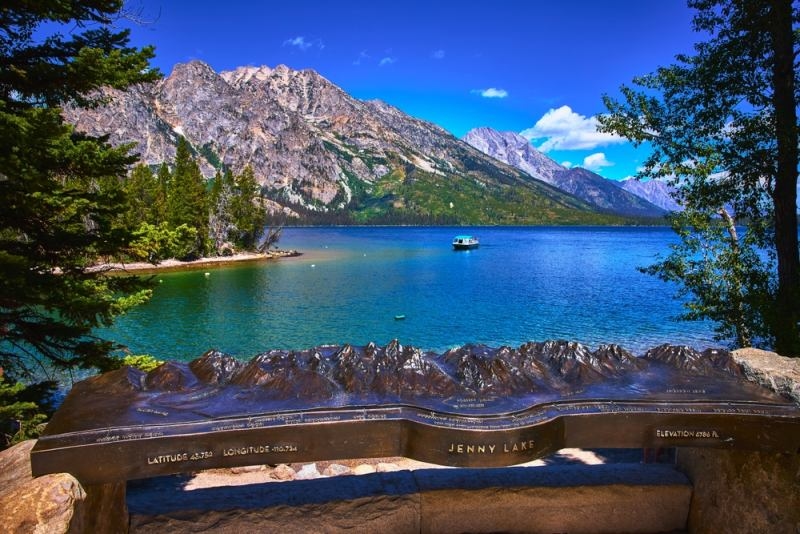
Heading into the Grand Tetons without a clear plan is a massive mistake. You're just going to get trapped in brutal traffic. If you want to beat the crowds, you need a real strategy. Conquering Jenny Lake takes aggressive planning, not casual sightseeing. Lock down your itinerary now to score the best trails and water without the headaches.
Must Read: Things to Do in Jackson Hole for Every Traveler Type
You cannot respect the terrain if you do not understand its foundational history. The lake is not named after some random pioneer; it carries a massive historical legacy that commands respect. In 1872, the federally funded Hayden Expedition aggressively surveyed the jagged, unforgiving peaks of the Tetons to map the western frontier. The scientific team relied heavily on a rugged mountain man and trapper named Richard "Beaver Dick" Leigh and his Shoshone wife, Jenny.
She provided critical logistical support, intimate terrain knowledge, and vital survival skills to the entire operation. The geologists officially cemented her legacy into the map by naming the pristine, glacially carved waterbody after her, while naming the adjacent lake after her husband. Understanding this ruthless frontier history immediately elevates your appreciation of the raw landscape. You are not just looking at water; you are looking at a permanent monument to indigenous survival and relentless Western expansion.
You can check below to understand why Jenny Lake is so popular:
Most premium alpine lakes require a brutal, exhausting ten-mile approach hike just to see the water. This lake sits exactly at the base of Cascade Canyon, offering immediate, explosive vertical views of Teewinot Mountain and Mount St. John the exact second you step out of your vehicle. It delivers massive visual ROI with zero initial physical output.
The lake was violently carved by massive Pleistocene glaciations, leaving behind a perfectly contained, 400-foot-deep water basin. This intense geological history concentrates the dramatic scenery directly into a highly accessible, natural amphitheater that forces the surrounding peaks to reflect perfectly off the water's surface.
The National Park Service has heavily subsidized the area with massive parking facilities, paved approach trails, and historic commercial structures like the Jenny Lake Lodge. This premium lodge has been operating almost continuously since 1922, specifically catering to high-end tourists demanding a comfortable, elite frontier experience without sacrificing modern amenities.
Top Pick: Gannett Peak Climbing Guide: Wyoming Summit Tips and Routes
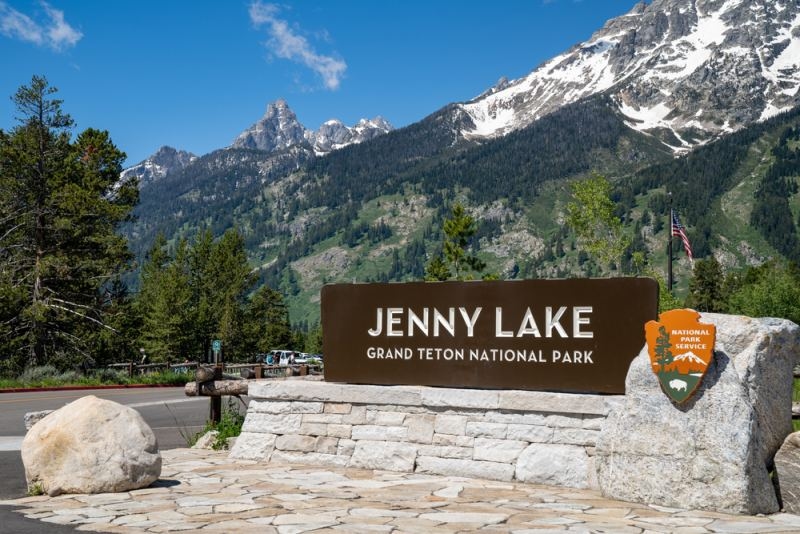
You must execute a strict operational protocol to extract actual relaxation from this high-traffic, high-stress zone. Here are the exact things to do at Jenny Lake utilizing real digital platforms to guarantee a premium, soothing experience.
Do not waste your physical energy hiking the flat, heavily congested two-mile perimeter just to reach the mouth of the canyon. You must leverage the official Jenny Lake Boating enterprise. Purchase your shuttle tickets early and use their motorized transport to forcefully bypass the walking crowds, dropping you directly at the Cascade Canyon trailhead with fresh legs and massive momentum.
If you want to experience the lake without the screaming masses, you must sleep in the backcountry. Use the Recreation.gov platform exactly six months in advance to ruthlessly snipe a premium backcountry campsite. You must lock in your reservations before the massive influx of amateur tourists drains the digital inventory completely.
Cellular service at the lake is completely dead. You must download the high-fidelity, interactive topographic maps using the AllTrails app before you ever enter the national park boundaries. This guarantees you maintain absolute situational awareness on the Hidden Falls trail while other unprepared tourists wander blindly.
The water itself is a highly regulated, tightly monitored zone. If you want to deploy your own personal vessel for Jenny Lake boating, you cannot simply launch whatever random equipment you brought from home. You must operate within strict federal parameters or risk massive fines.
Leave your high-powered speedboat at home. The park strictly caps all public watercraft at a 10-horsepower maximum to keep the basin completely silent. Only the official shuttles get to run bigger engines. Try launching a massive rig, and park rangers will instantly ground your boat and hit you with a brutal citation.
Aquatic invasive species are a catastrophic threat to the entire watershed. Every single watercraft, including simple paddleboards, must pass a mandatory, rigorous biological inspection before touching the water. You must arrive at the inspection stations right at dawn to bypass the massive lines of amateurs waiting to launch their gear.
The local canyon wind patterns dictate a brutal reality for paddlers. By noon, the intense canyon thermals generate aggressive, dangerous chop that will completely destroy a casual kayaking trip. You must launch your vessel strictly between 6:00 AM and 9:00 AM to exploit the flawless, glass-like water conditions and secure the ultimate, high-fidelity reflection photographs.
The era of casual, unplanned national park visits is completely dead. If you want to survive the overwhelming crowds and actually enjoy the raw power of the Grand Tetons, you must treat your itinerary like a highly guarded military asset. Mastering the logistics of the shuttle system, understanding the rigid boating regulations, and deploying elite digital platforms are the only ways to guarantee a dominant trip.
Yes, visitors are entirely allowed to swim in the designated zones. However, the water originates directly from melting alpine snowpack, meaning the surface temperature rarely climbs above sixty degrees Fahrenheit even during the absolute peak of summer. Prolonged exposure instantly triggers massive hypothermia risks, making the lake completely unsuitable for casual lounging or extended swimming sessions.
Thinking you can take your dog hiking here is a massive mistake. The park rangers do not play around. Dogs are legally banned from every single trail, the backcountry, and the shuttle boats to keep them away from grizzly bears and moose. Your pet is physically trapped within thirty feet of the pavement, period. Try sneaking them on a hike, and you will get hit with brutal fines immediately.
The physical infrastructure completely fails to handle the massive mid-day influx of vehicles. To guarantee a legal parking space without circling aggressively and wasting hours of operational time, a driver must physically occupy a spot before 8:00 AM. Arriving any later practically guarantees a frustrating, one-mile walk along the highway shoulder just to reach the main visitor complex.
This content was created by AI