

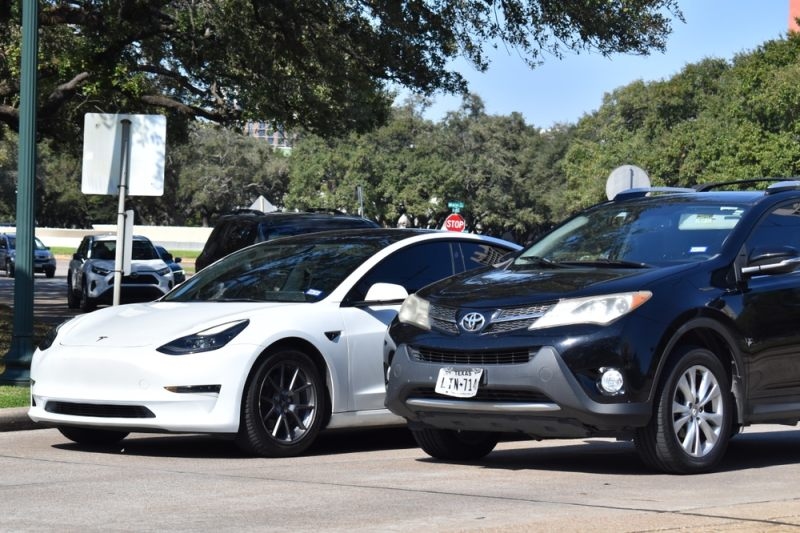
With all these plug-in and electrically-driven automobiles coming to the market, more consumers are spoiled for choice when it comes to picking an efficient car for their commute. In this look at the 2026 Toyota Prius Prime Car vs. Tesla Model 3 Standard Range, we try to look into these two paths toward efficient travel. One offers a full EV take, the other couples an electric powertrain with a gasoline engine for convenience.
Let’s compare some key specs on the Tesla Model 3 Standard Range and 2026 Toyota Prius Prime – ranging from power to practicality.
The Tesla Model 3 Standard Range is a full EV. You won't find a gasoline engine here, just an all-electric powertrain designed to give drivers a fun ride and quick acceleration thanks to instant torque. The Model 3 delivers silent acceleration, making it a relaxing car for any commute. For the Standard Range, Tesla offers only a rear-wheel drive setup.
By contrast, the 2026 Toyota Prius Prime features a plug-in hybrid system. The EV’s gasoline engine works in sync with the vehicle’s electric motor for more flexibility on the go. This car can handle most errands completely on electric power. Once its electric range is exhausted, it will automatically switch over to hybrid power.
The electric-only range of the Model 3 Standard Range is more impressive than the Prius Prime. As it is a full electric vehicle, more consideration has been put into maximizing electric miles per charge. With its larger electric-only range, Tesla’s Model 3 is well-suited for commuters and those who want to avoid visits to the gas station as much as possible.
The Toyota Prius Prime has a smaller EV-only range but offers the reassurance of additional range through its supplemental gas engine. This is a big perk if you live where access to charging is somewhat limited or go on the occasional road trip. With convenient at-home charging, you may even find you drive only on electricity most of the time.
The Tesla Model 3 has a clean and minimalist design inside and out. It’s dominated by a touch screen for controlling most vehicle functions and, in many cases, you’ll find fewer physical controls than you may be used to. Combined, the sleek interior and minimalist look of the Model 3 lend the car’s cabin a modern aesthetic. Drivers may also enjoy the lower car-like driving position.
While futuristic, the design of the Prius Prime interior is slightly more conventional – which some buyers might appreciate. It keeps essential functions close at hand via physical buttons and knobs, though it still offers an up-to-date exterior style. You might miss the “ wow ” factor of the Model 3, but the Prius Prime is just easier for everyone to understand how to use on a daily basis.
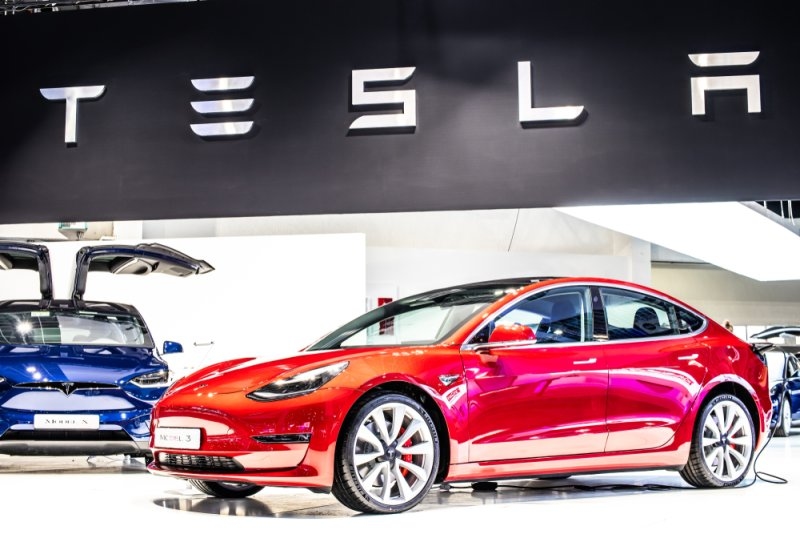
The Tesla Model 3 is packed with technological features, the centerpiece of which is the large center touchscreen that controls practically every function in the car. The vehicle’s driver assist features add convenience, but the minimalist interior design can feel like a steep learning curve for some who prefer traditional control methods and physical buttons.
Similarly, the Toyota Prius Prime offers a full suite of modern tech and safety features. One of the Toyota’s car benefits is that it often favors usability over a futuristic design. Even with impressive technology on hand, the Prius Prime makes the most sense for the everyday car buyer who will be comfortable behind the wheel on day one.
The Tesla Model 3 gives you the true experience of driving a fully electric car with an array of public chargers at your disposal via their Tesla network, which can make long trips even easier. Tesla makes charging available at home via various electric options for easy at-home daily driving.
The Toyota Prius Prime has a bit more flexibility on the charging end. Drivers will have the option of either charging at home via the gas engine or by plugging it into an electrical outlet. For shorter trips, you may never have to use a gasoline pump with the Prius.
The Tesla Model 3 excels if you desire electric driving performance and its range. Combined with a spacious cabin, intuitive (to some) technology, quiet operation, and a plethora of convenience features, it may very well be the perfect fit. Of course, with a full EV purchase, you do need a strategy for access to and use of charging, which typically happens at home or the workplace.
The 2026 Toyota Prius Prime is a hybrid car geared towards a driver seeking the best of both worlds. With this plug-in hybrid, you get electric power for short daily drives and an optional gasoline-burning engine to continue on longer journeys without the anxiety about finding a charger. As such, many consumers will appreciate both fuel types.
The Tesla Model 3 Standard Range is the clear choice for you if you plan on primarily a full-electric driving experience. More specifically: if you’re after longer electric range, quick take-off acceleration, you appreciate minimalism, and you have easy access to charging at both the home and public level, look no further than the Model 3.
Opt for the 2026 Toyota Prius Prime if you’re searching for a car that will provide electric power for daily commutes while also allowing you to take longer road trips without the concern of range limitations. This plug-in hybrid configuration may be appealing, particularly if you spend quite a bit of time behind the wheel.
Though they tackle efficient transport from two different ends of the spectrum, the Tesla Model 3 Standard Range and the 2026 Toyota Prius Prime ultimately cater to a similar audience who finds themselves in the market for something that sips less fuel. The Model 3 is purely committed to electric drive, boasting impressive range and acceleration and a techy interior. The Prius Prime brings some more options with an electric-only range along with plug-in hybrid operation.
The ideal fit for you between those two cars depends heavily upon your driving style and access to charging both at home and work, along with just how comfortable you are with a 100-percent electric experience and what distances you typically cover.
Yes. The Tesla Model 3 Standard Range is fully electric; hence, it is an electric vehicle, and no gasoline motor is involved in this vehicle at all.
Yes. The Prius Prime has the capability to run and cover several miles on its gasoline engine after the available battery charges gets completed, therefore no need of making external battery charge always.
The range of the battery of the Tesla Model 3 Standard Range seems much greater than that of the Toyota Prius Prime; thus, we find that more distance covers in single charge in the Tesla vehicle.
For a few travelers, this vehicle comes out to be better in comparison to both because no external charging has to be done during long-distance travel to the target destination, as after completing the battery range, the system automatically changes to the gasoline motor, which doesn’t require external charging.
There are various cases where we tend to opt for these vehicles for daily routine tasks. Both will provide a better experience, but if a readily accessible charging facility is available, we can go with the Tesla Model 3 standard range, but if not that then Prius Prime would be the better choice.
This content was created by AI