

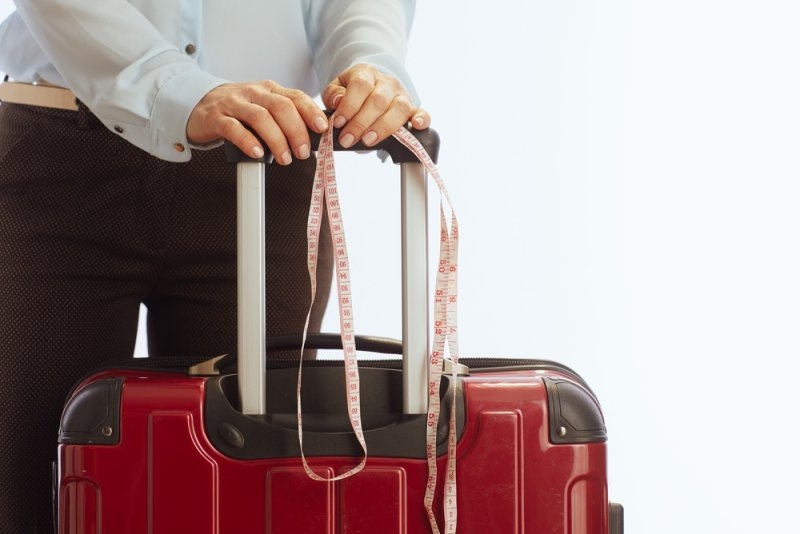
Nobody plans a trip thinking about baggage policies until they're standing at the check-in counter facing an unexpected charge. Every airline sets its own limits for size, weight, and liquids, and missing even one of them can cost you real money. Getting familiar with airline baggage rules ahead of time saves you stress at the airport and a few dollars too. Here's a plain-language breakdown of everything from carry-on limits to those annoying overweight fees.
Airlines aren't working off some shared rulebook. Each one sets its own baggage policy based on the planes they fly, the routes they cover, and how they make money. Budget airlines love charging for carry-ons, while the bigger, full-service carriers tend to build more into the base fare. That's really the whole reason it pays to check your specific airline's website before you start packing. A rule that holds for one airline might not apply anywhere else.
Checked baggage limits usually come down to a linear inch measurement, adding up length, width, and height together. Most economy tickets cap out around 62 linear inches and 50 pounds per bag. Fly business or first class, and you'll often get a bit more room, sometimes up to 70 pounds. International routes sometimes swap the weight system for a piece-based one instead.
Here's a quick look at how checked baggage rules tend to break down:
| Airline Type | Weight Limit | Size Limit (Linear Inches) |
| Budget Carriers | 40 to 44 lbs | 45 to 50 inches |
| Full-Service Airlines | 50 lbs | 62 inches |
| International Long-Haul | 50 to 70 lbs | 62 inches |
These numbers shift more often than people expect, so don't rely on memory. A quick check on the airline's site before you fly beats guessing at the counter.
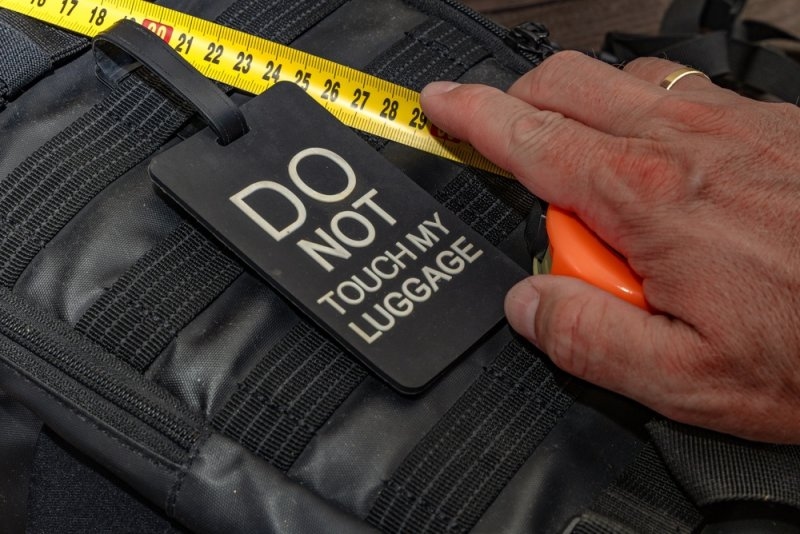
An overweight baggage fee kicks in the moment your suitcase crosses the airline's weight limit. It's a separate charge from the regular checked bag fee, and the two can stack up fast. On domestic flights, you're usually looking at $50 to $100 for the first overage. International trips can hit even harder, occasionally topping $200 for one bag.
A few ways to dodge that charge altogether:
TSA rules for liquids come down to the familiar 3-1-1 setup for carry-on bags. Every container needs to hold 3.4 ounces or less of liquid, gel, or aerosol. All of them together need to fit into one clear quart-sized bag per traveler. Checked bags skip this rule entirely, so bigger bottles can just go in there.
Medications, baby formula, and breast milk get an exception to the usual limit. Just mention them to the TSA officer during screening so they can check separately. Planning your toiletries around this rule ahead of time keeps things from getting confiscated.
Also Read: The Best Airport Lounges in the World and How to Get In
Airline baggage fees swing a lot depending on the carrier, the route, and how early you pay. Paying for your bag online in advance is almost always cheaper than paying at the gate. Fees also climb depending on whether you're checking one bag or three. Loyalty members and certain credit card holders often skip the fee entirely.
If you fly often, it's worth checking whether your airline offers a bundled fare option. These bundles sometimes wrap baggage fees right into the ticket price.
An airline baggage fee comparison basically shows how differently carriers price the same trip. Some airlines let the first bag fly free, while others even charge for carry-ons. Comparing fees before you book can genuinely save money, especially on longer international routes. Most booking sites and airline apps show these numbers clearly enough during checkout.
A few things worth weighing during that comparison:
Packing lighter whenever you can is still one of the simplest ways to dodge extra costs. If you're also thinking about general flight manners, this guide on airplane etiquette rules is worth a read alongside your packing plans. And if your flight gets delayed despite perfect packing, it's worth knowing what flight delay compensation you might actually be owed.
Knowing airline baggage rules before you leave home keeps your trip smoother and a lot cheaper. From checked baggage limits to TSA rules for liquids, small details save you from bigger headaches later. Always double-check your specific airline's policy since these things change more than you'd think. A little prep goes a long way toward a stress-free trip through the airport.
Most airlines stick to around 22 x 14 x 9 inches for carry-ons, wheels and handles included. Even so, check your airline's exact numbers, since budget carriers tend to squeeze that limit tighter than you'd expect.
Yes, checked luggage skips TSA's 3.4-ounce liquid rule completely. Just wrap bottles well so nothing leaks in transit, and glance at your airline's own cap on total liquid volume per bag.
Toss your suitcase on a home scale before you head out. Spread heavier items across bags, wear your bulkiest jacket instead of packing it, and cut anything you don't really need.
Not even close. Fees shift a lot depending on the carrier, the route, and your fare class. Budget airlines will often charge for carry-ons too, while full-service ones tend to give you more for free.
Pretty much always, yes. Paying for your bag online ahead of time beats paying at the airport counter, where fees usually come with an added penalty. Add baggage when you first book instead.
This content was created by AI