

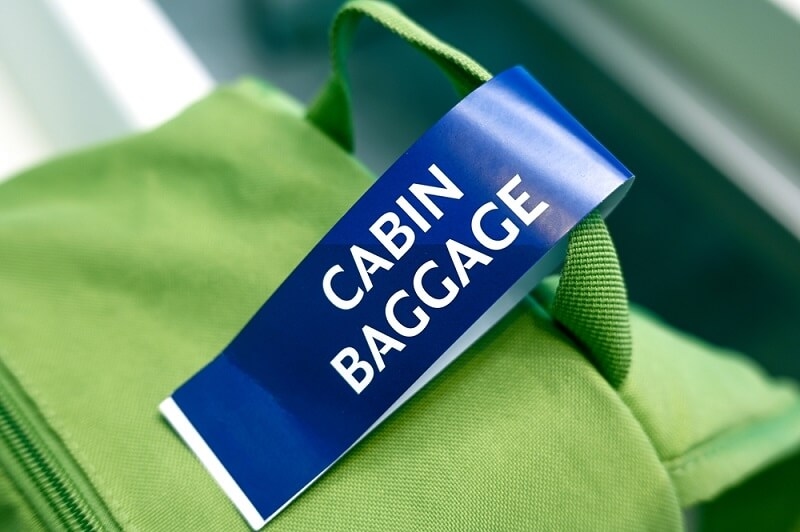
Before we get rolling, here’s a quick snapshot of what’s ahead. This blog breaks down the real difference between cabin bags and hold bags, why it matters so much when you’re chasing cheap flights, and how budget airline luggage policy can quietly make or break your travel budget. We’ll talk fees, size limits, real-life packing choices, and the sneaky rules that show up at the airport gate. Think of it as a friendly walkthrough of baggage rules, with a few side notes you’ll be glad you knew before clicking “book now.”
If you’ve ever stared at a booking screen wondering why your “cheap” flight suddenly costs more, you’re not alone. The cabin bag vs hold bag question sits right at the heart of budget travel, especially in the US, where airlines love itemized pricing.
At first glance, it feels simple. Cabin bags stay with you. Hold bags get checked in. But the real story lives in the fine print, and that’s where budget airlines' baggage fees sneak in.
A cabin bag is what most travelers casually call a carry-on. It goes in the overhead bin or under the seat in front of you. On many budget airlines, though, not all cabin bags are created equal.
Usually, you’ll see two categories:
A hold bag is checked luggage. You hand it over at the airport, and it travels in the cargo hold. Sounds old-school, right? But for longer trips or family travel, it’s still the go-to choice.
The catch is airline baggage fees. Budget carriers tend to charge per hold bag, per flight. That means a round trip doubles the cost. Suddenly, your bargain ticket feels less friendly.
Let me explain how this usually plays out. Budget airlines advertise low base fares to grab attention. Then they layer on extras. Seats, food, and yes, bags.
Understanding budget airlines' baggage fees is less about memorizing rules and more about spotting patterns.
Airlines know price comparison sites sort by the lowest price. By stripping baggage from the base fare, they win that race.
You see a $59 flight and think, honestly, why not? Then you add a carry-on, maybe a checked bag, and the total jumps fast. That’s not an accident. It’s the model.
In the carry-on vs checked bag debate, carry-ons are often cheaper but more restricted. Checked bags cost more but offer flexibility.
Many airlines charge:
Now comes the personal part. Choosing between a cabin bag and a hold bag isn’t just about rules. It’s about how you travel.
If you’re heading out for a weekend or a quick work trip, a cabin bag often wins. No baggage claim. No waiting. No risk of lost luggage.
You know what? There’s also a weird sense of freedom in packing light. Fewer decisions. Fewer things to keep track of.
For longer stays, a hold bag starts to make sense. Shoes, jackets, maybe gifts on the way back. It adds up.
Checked bags also help when you’re flying with kids or traveling during winter. Bulky clothes don’t play well with strict cabin limits.
Read More: Top 10 Travel Mistakes and Smart Ways to Avoid Them
This is where things get tricky. Cheap flights' baggage rules vary not just by airline, but sometimes by route and ticket type.
A carry-on that fits one airline might be too big for another. Budget carriers are known for strict enforcement.
Common surprises include:
Yes, they really do measure bags at the gate sometimes.
Here’s a tip many travelers learn the hard way. Adding bags online is almost always cheaper.
At the airport, fees can jump significantly. Airlines know you’re stuck. And they price accordingly.
Every budget airline's luggage policy has quirks. Some are upfront. Others hide behind friendly icons and tiny links.
When a fare says “one bag included,” read carefully. Often, it means a small personal item only.
That backpack needs to fit under the seat. Wheels usually mean extra cost.
Some airlines offer bundles that include bags, seats, and priority boarding. These can make sense if you need multiple extras.
Frequent flyers may get bag perks, but on budget airlines, loyalty benefits are usually limited compared to legacy carriers.
Let’s make this practical. Imagine flying from New York to Florida on a budget carrier. The ticket is cheap. You’re feeling good.
Then you add:
The total climbs. Still manageable, but no longer shockingly cheap.
Don't Miss: When to Arrive at The Airport to Have a Hassle-Free Travel?
This might sound contradictory, but sometimes paying for a hold bag saves money, especially if it helps you avoid multiple fees.
For example:
Peace of mind has value. Even budget travel isn’t only about dollars.
Travel trends shift with the seasons. Summer trips often mean lighter clothes. Winter travel usually demands more space. Holiday travel adds another layer. Gifts. Souvenirs. Bulkier items.
During peak seasons, airlines may enforce rules more strictly. Gate agents are busy. Plan accordingly.
Also Read: Lost Luggage in Wyoming? Here's What to Do Immediately
The cabin bag vs hold bag decision isn’t about right or wrong. It’s about awareness. Once you understand airline baggage fees and cheap flights baggage rules, you can make choices that fit your style and budget.
Sometimes traveling light feels great. Other times, checking a bag keeps you sane. The trick is knowing the cost before you commit.
Not always. On many budget airlines, carry-ons cost less, but fees depend on when you add them and the airline’s policy.
Usually no on basic fares. Most budget airlines allow either a personal item or a carry-on unless you pay extra.
Yes, and they often increase. Adding bags at the airport is almost always more expensive than booking online.
Many are very strict. Bag sizers and gate checks are common, especially on full flights.
This content was created by AI