

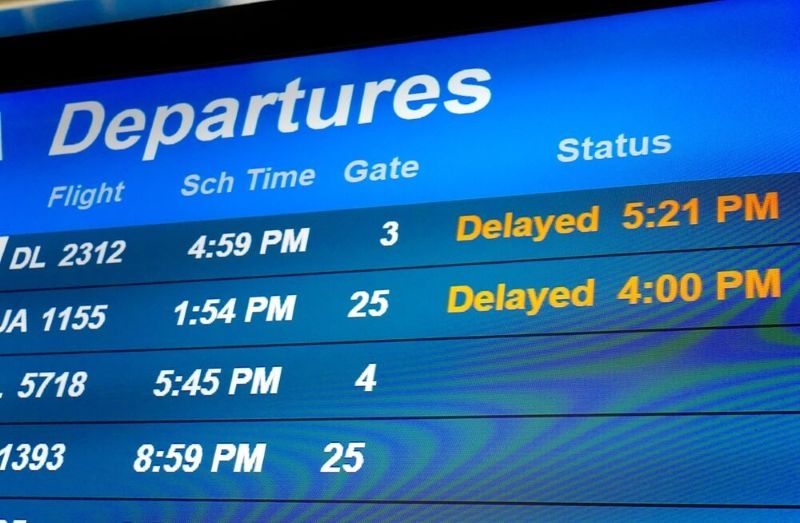
Flight delays have a special way of testing patience. One minute you are sipping coffee near the gate, the next you are staring at a screen that keeps flashing “Delayed.” If you fly often in the US, you have probably wondered what your rights really are and whether airlines owe you anything beyond an apology. This guide walks you through flight delay rules for 2026, explains how compensation works in real life, and clears up common myths. We will talk about airline responsibilities, passenger rights, flight and airport delays, and practical steps you can actually use.
Flight delay compensation sounds straightforward, but it rarely is. Before getting into the details, it helps to understand the broad idea behind these rules and why they matter to travelers across the US.
At its core, flight delay compensation refers to what airlines may offer when a flight is significantly delayed. This can include meal vouchers, travel credits, hotel stays, or sometimes cash refunds. In the US, there is no automatic cash payout law like in some other regions.
If you have ever flown internationally, you may have heard friends mention generous payouts overseas. The US system works differently. Here, airlines set many of their own rules, within federal guidelines.
Top Pick: Airports and Air Travel Tips 2025 for TSA Changes to Know
Delays rarely come from a single issue. Understanding why flights get held up helps you predict what kind of compensation for a delayed flight might be realistic.
Storms, fog, snow, and even extreme heat can slow everything down. Air traffic congestion is another quiet culprit. When too many planes crowd major hubs like Atlanta or Chicago, delays ripple outward. In these cases, airlines usually label the delay as outside their control, which often limits delayed flight compensation options.
Mechanical checks and crew timing issues are more within an airline’s control. If a plane needs unexpected maintenance or a crew times out, airlines are more likely to offer meals, hotel stays, or rebooking perks. These moments are where passengers often have the strongest case for help.
Here is the thing. Airlines do not decide compensation randomly. They follow internal policies that vary widely, so knowing the basics can change how you approach the counter.
Every airline publishes a contract of carriage. It sounds dry, but it is basically the rulebook for delays and cancellations. This document outlines what the airline promises when things go wrong. Reading it once, even casually, can make conversations with gate agents smoother.
Short delays usually come with apologies. Longer delays, especially those lasting several hours, are more likely to trigger tangible help. Some airlines start offering meal vouchers after three hours. Overnight delays may bring hotel accommodations. Timing matters, so keep track.
Must Read: Top 10 Travel Mistakes and Smart Ways to Avoid Them
Delays and cancellations often blur together, but legally, they are treated differently. This section clears up that confusion.
If a flight is delayed long enough, airlines may cancel it outright. Once that happens, passengers typically have the right to a refund if they choose not to travel. This applies even for nonrefundable tickets. It is one of the clearest protections US travelers have.
Airlines often push rebooking first. That can be convenient, but you are not required to accept it. If your travel plans no longer make sense, asking for a refund can be the smarter move. Knowing you have that option can feel empowering in a stressful moment.
This is where theory meets reality. Knowing your rights is one thing. Using them is another.
When a delay hits, having a simple game plan can steady your nerves. Airports are loud, crowded, and a little chaotic on a good day, so clarity helps more than you might think. A few calm moves can shift the situation from frustrating to manageable.
Check this out: Your Guide to Wyoming Airports: Travel Tips & Insights
Honestly, your credit card can be a quiet hero during a delay. Many US travel cards include delay coverage that reimburses meals, hotels, and local transportation once a delay passes a certain time mark. Cards from names like Chase or American Express often include this perk, though you usually need to submit a claim afterward. It is not instant relief, but it can soften the financial sting.
Travel insurance works in a similar way. Standalone policies often cover delays, cancellations, and missed connections. Coverage varies, so reading the fine print matters, even if it feels dull. Still, that extra layer can turn a miserable travel day into a story you shrug off later.
Of course, not every delay follows the same script. Some situations bring extra twists.
Flight delays are baked into modern air travel, whether we like it or not. Knowing how flight delay compensation works gives you leverage, confidence, and a little peace of mind. While US rules do not promise automatic payouts, understanding airline policies, credit card benefits, and refund rights can change the outcome of a rough day. The next time a gate change pops up or a delay drags on, you will know when to ask questions and how to ask them. That quiet confidence matters, even when the runway feels far away.
No, US airlines are not required to pay cash for delays. Compensation usually depends on the airline’s policy and the reason for the delay.
Yes, if a delay is significant and you decide not to travel, you can ask for a refund, even for nonrefundable tickets.
Often it does, especially for long or overnight delays caused by the airline. Coverage varies by carrier and situation.
Many airlines begin offering help after about three hours, but you can ask sooner if the delay is clearly stretching on.
This content was created by AI